

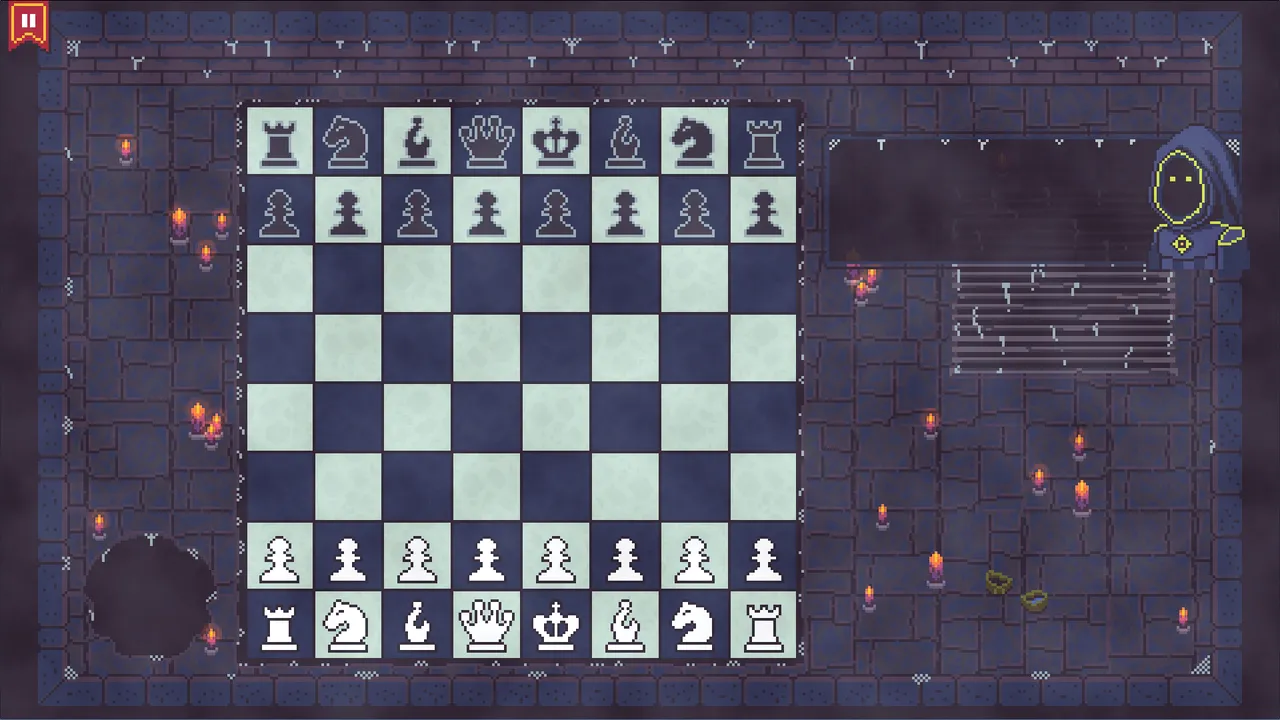
Chesscent
Chesscent is out now on PC, released on July 14, 2026.
About Chesscent
Chesscent attempts to solve the ancient problem of chess being a solved game by injecting the unpredictable volatility of a card-driven roguelite. Developed and published by Alex did it, the experience focuses on a loop of tactical failure and persistent growth, where losing a match is a mechanical requirement for long-term progress. Rather than a pure test of grandmaster theory, the game relies on rule-breaking modifiers that can instantly invalidate traditional positioning.
The release date for Chesscent is July 14, 2026, when it arrives on PC. This timing places it among a growing wave of titles looking to gamify traditional board logic through modern meta-progression systems. By unlocking permanent abilities after each defeat, you gradually shift the power balance away from the AI and toward your own customized deck of illegal moves.
Tactical Rule-Breaking and the July 14, 2026 Release Date
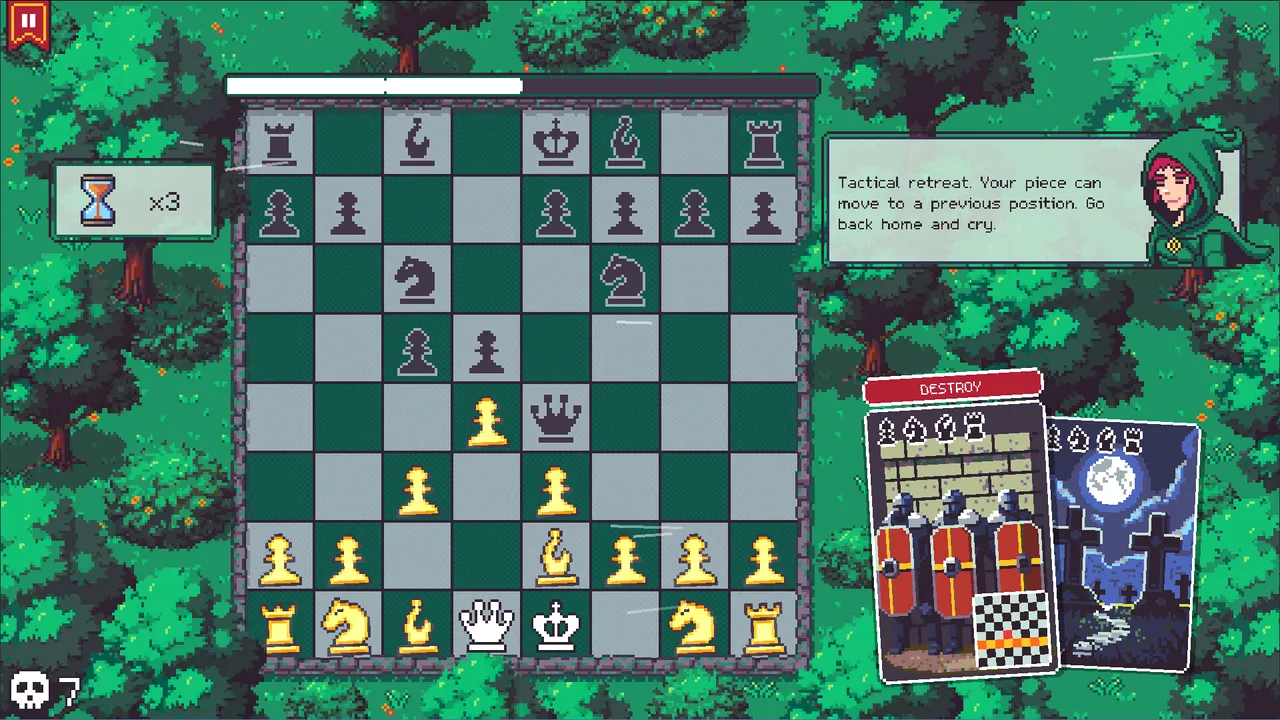
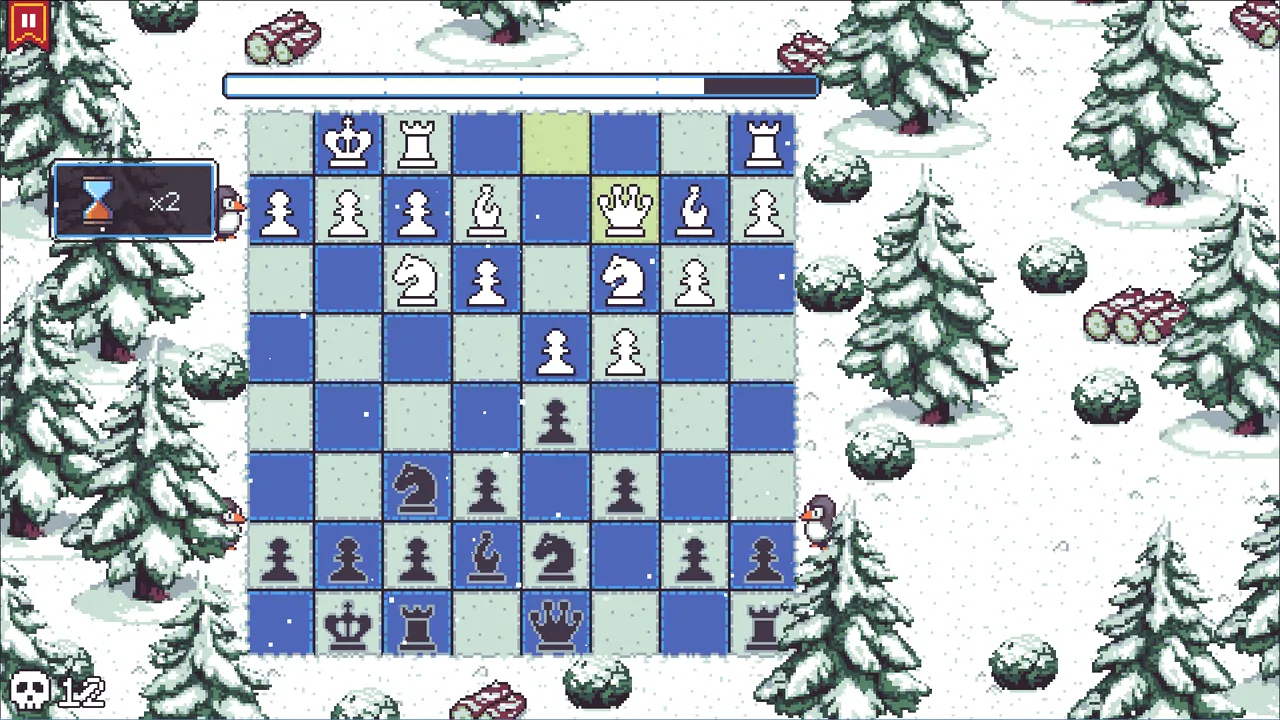
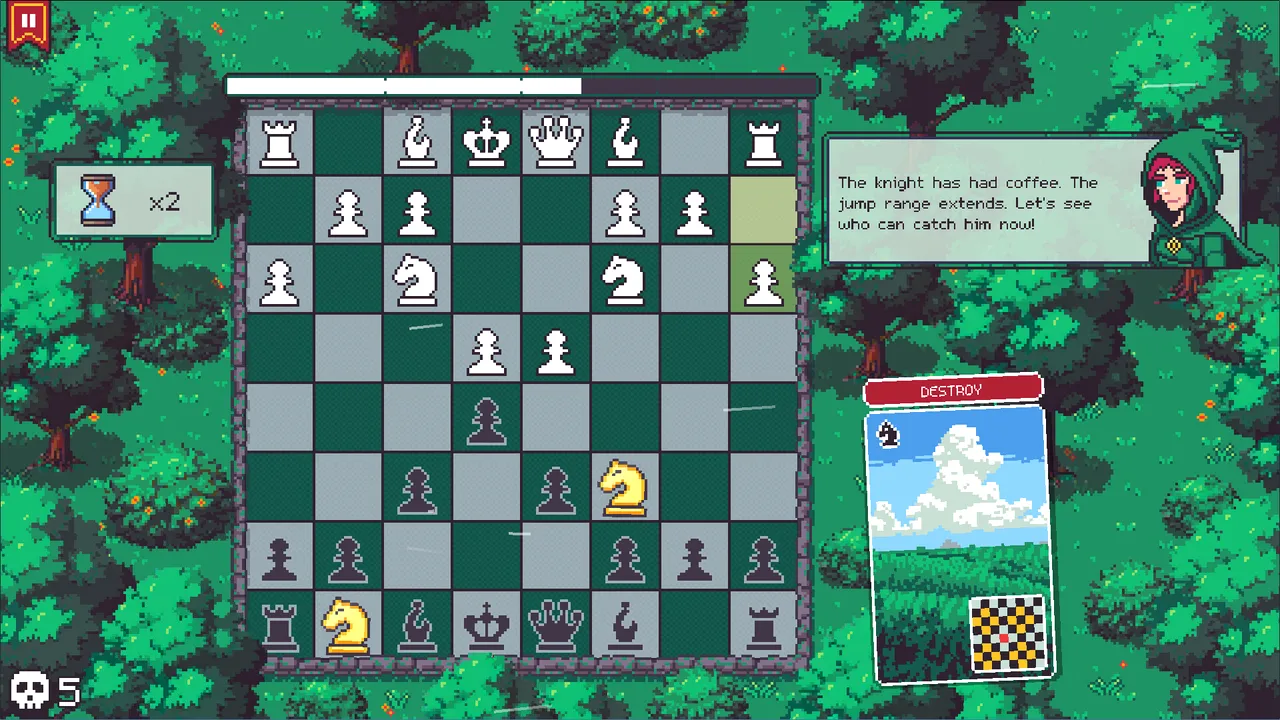
The core tension in Chesscent lies in the conflict between the rigid, 8x8 grid logic of the source material and the chaotic influence of its card system. Traditional chess pieces serve as the baseline, but the gameplay pillars are built on how cards can override their standard movement or capture patterns. It turns a game of perfect information into one of hidden variables, forcing you to play around your opponent's potential hands rather than just their visible board state.
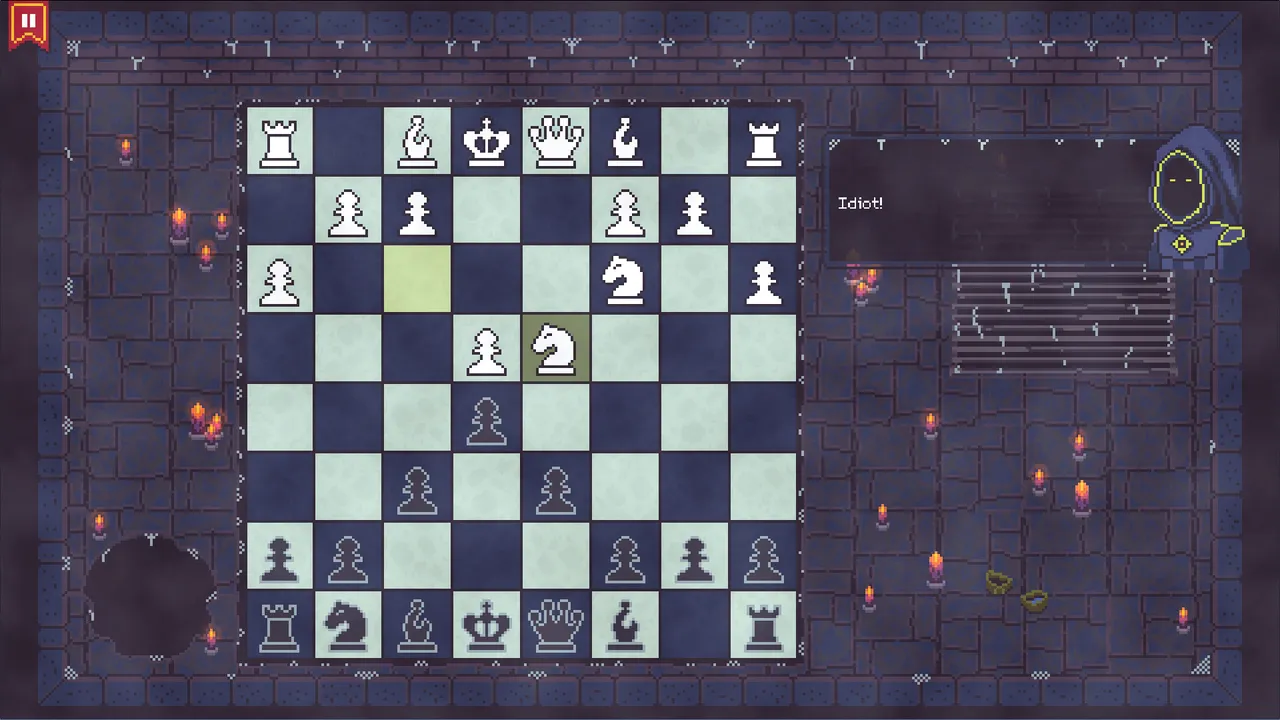
Whether the pixel-art aesthetic can maintain the necessary clarity when a board is flooded with supernatural modifiers is the primary hurdle for the presentation. For players who find the entry barrier of standard chess too high or its competitive scene too dry, this serves as a more approachable, deck-centric alternative. Hold off on a pre-order and wishlist this if you prefer the chaotic synergy of a roguelite over the mathematical purity of a grandmaster match.
Features
System requirements
Minimum
- OS *
- Windows 7
- Processor
- Dual Core 2.0 Ghz
- Memory
- 2 GB RAM
- Graphics
- Intel HD Graphics 4000
- DirectX
- Version 10
- Storage
- 250 MB available space
- Sound Card
- DirectX compatible sound card
- Additional Notes
- Chess engine performance scales with CPU speed. Older processors may experience longer "thinking" times during analysis
Recommended
- OS
- Windows 10
- Processor
- Quad Core 3.0 Ghz or better
- Memory
- 4 GB RAM
- Graphics
- NVIDIA GeForce GTX 660 / AMD Radeon HD 7850
- DirectX
- Version 11
- Storage
- 250 MB available space
- Sound Card
- DirectX compatible sound card
- Additional Notes
- Chess engine performance scales with CPU speed. Older processors may experience longer "thinking" times during analysis
Frequently asked questions
When did Chesscent come out?
Chesscent released on July 14, 2026 for PC.
Is Chesscent out yet?
Yes. Chesscent is available now, having released on July 14, 2026.
What platforms is Chesscent on?
Chesscent is available on PC.




No comments yet. Be the first to share your thoughts.