
DAICE
DAICE is out now on PC, released on July 16, 2026.
About DAICE
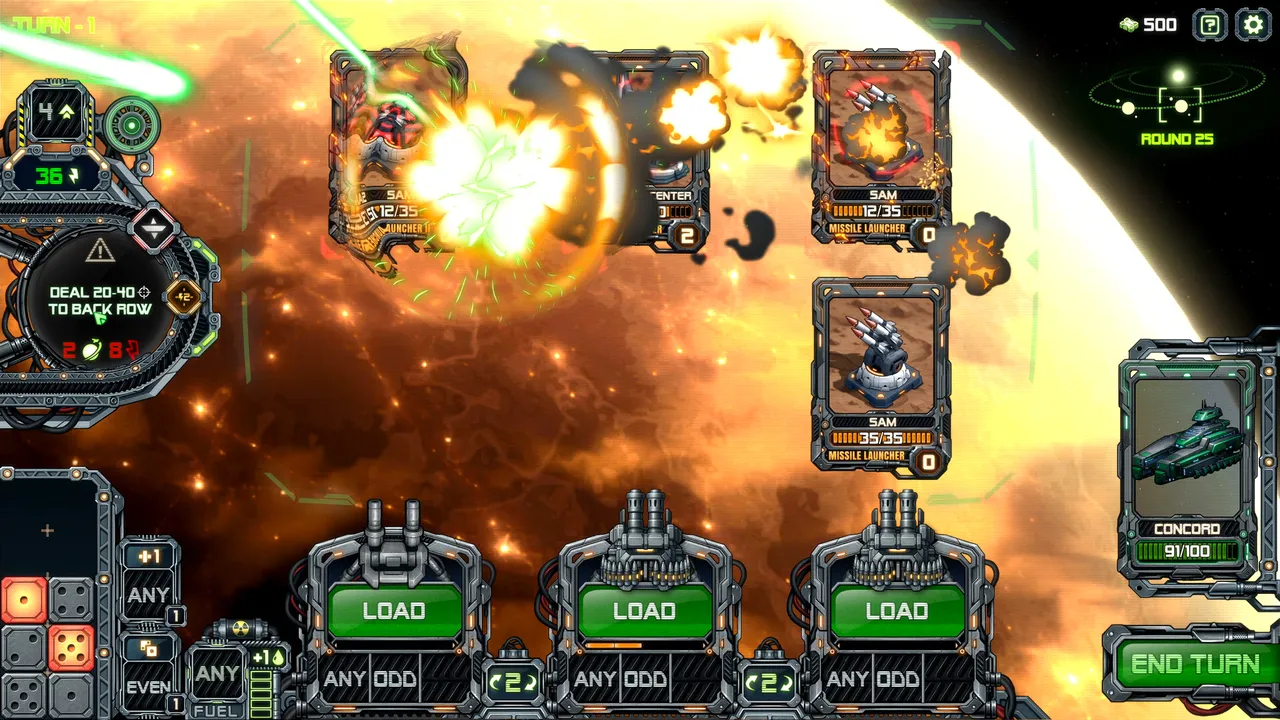
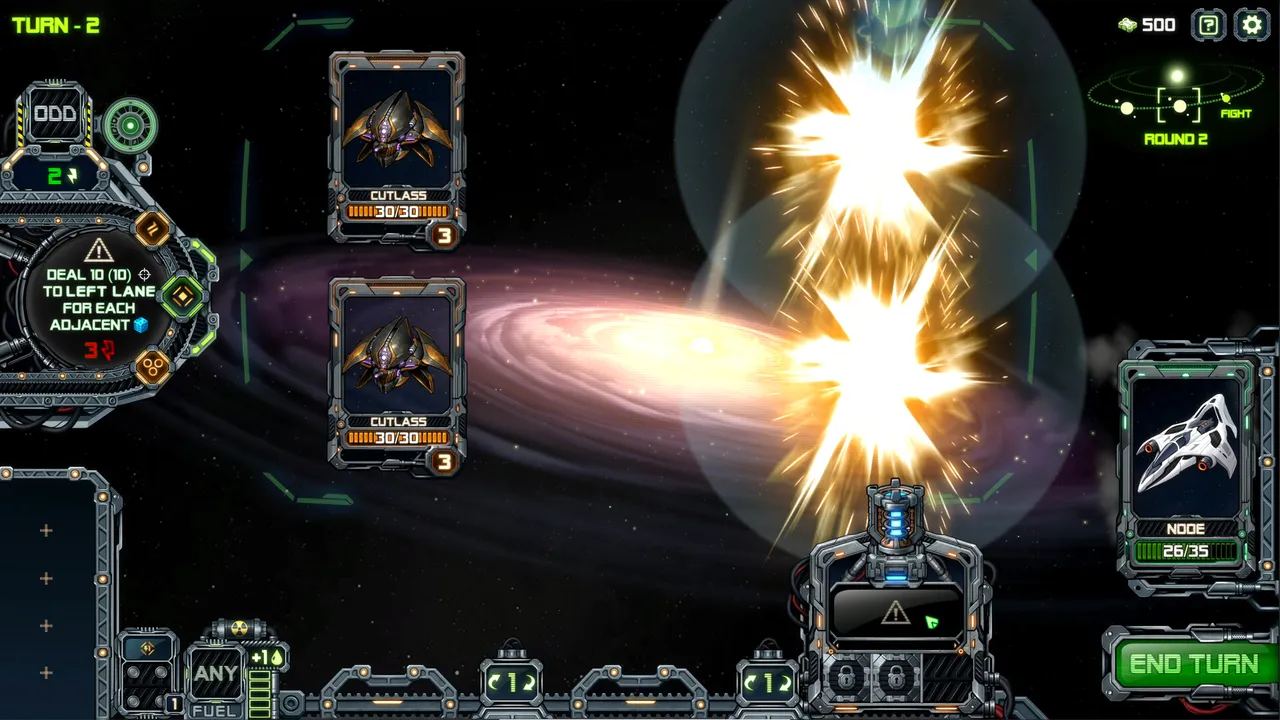
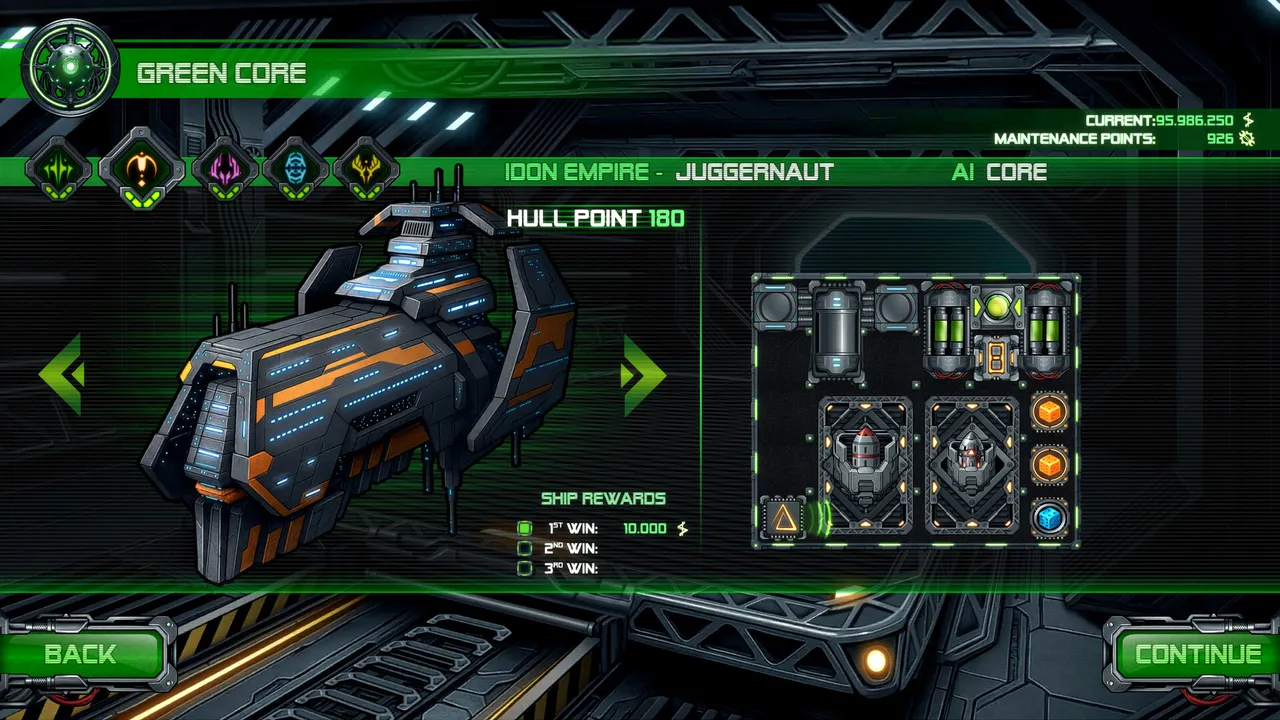
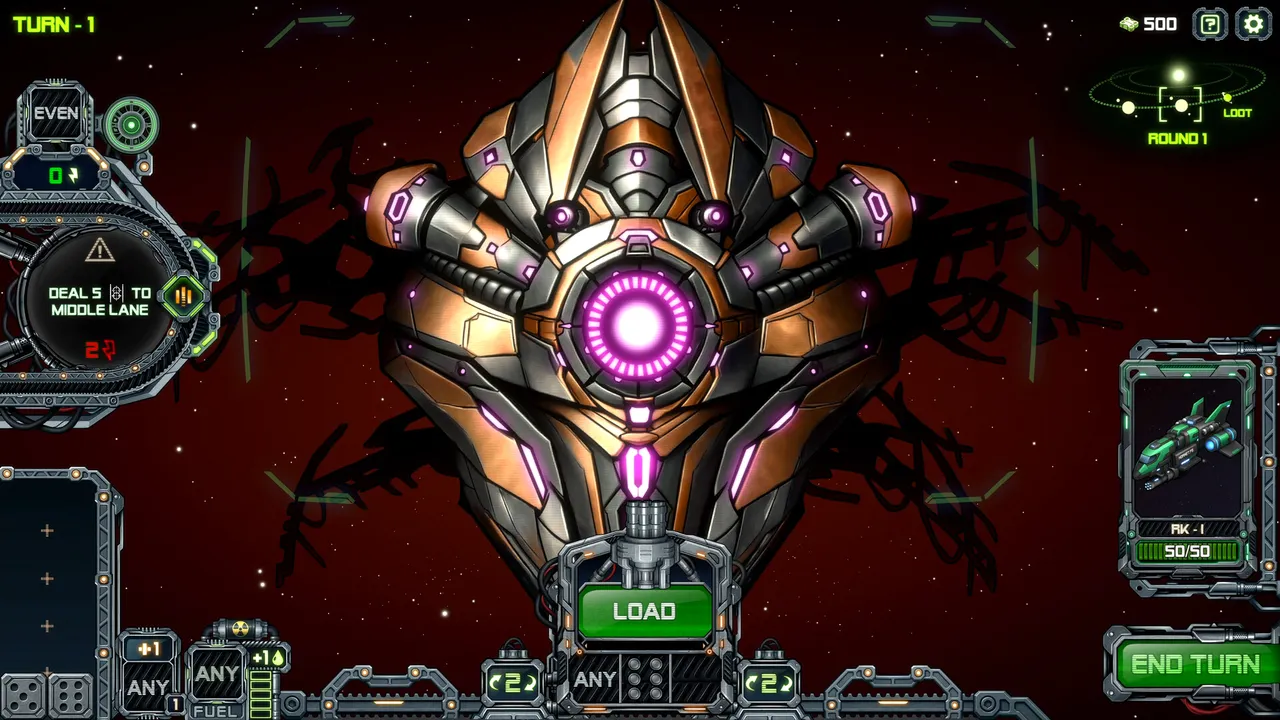
DAICE shifts the focus of the tactical roguelite from the character to the hardware, casting you as an evolving AI Core that must balance kinetic energy with spatial constraints. Developed by Aeterna Ludi and published by GrabTheGames, the DAICE release date is scheduled for July 16, 2026, on PC. While many strategy titles treat dice as a simple outcome generator, this game uses them as a physical currency that must be slotted into specific ship systems to trigger effects, forcing a constant choice between offensive overcharges and defensive maneuvering.
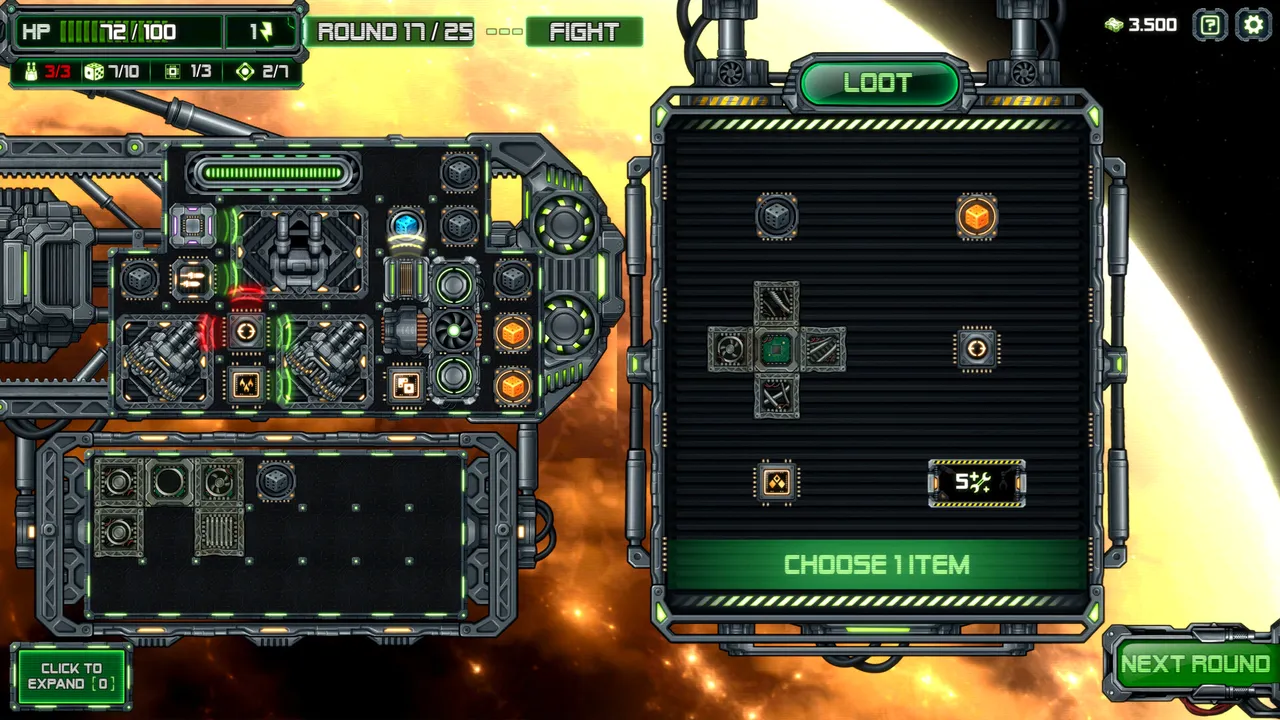
The core tension lies in the intersection of luck and geometry. Because you are managing an expanding inventory across twenty different ship types, the placement of your weapons and AI cores dictates your efficiency. Unlike standard deckbuilders where your hand is discarded, your dice here fuel a persistent engine of chips and upgrades that buff adjacent components. This spatial requirement turns the inventory screen into a puzzle where one poorly placed weapon can stifle your entire energy economy. The primary hurdle for the developers will be ensuring the four-act campaign maintains its tactical friction as the inventory grows, preventing the player from becoming an untouchable machine through simple stat accumulation.
Tactical PC Launch on July 16, 2026
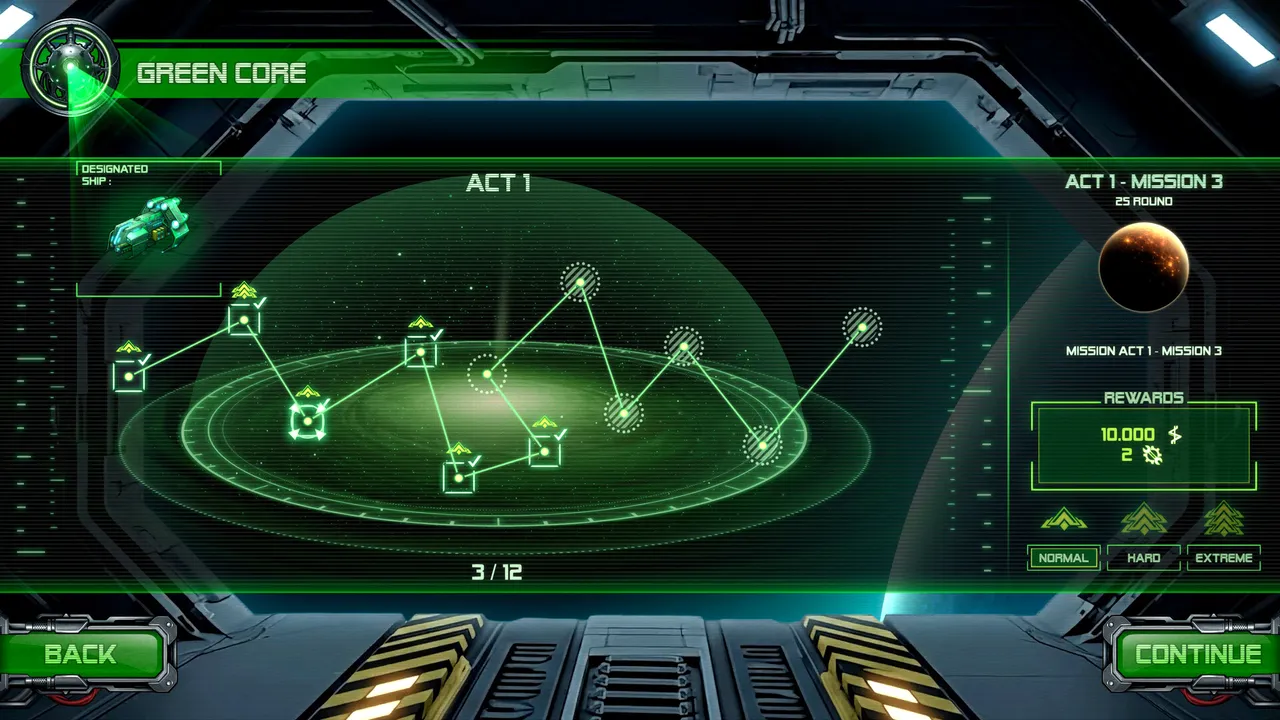
Progression in DAICE is tied to the successful completion of missions which unlock additional starting cores and ship models, diversifying your approach to the weapon overcharge system. Each weapon features a unique secondary effect that only activates after a build-up phase, requiring you to think several turns ahead about which dice to commit and which to hold for emergency damage mitigation. By tying movement, shielding, and firing to a shared pool of physicalized dice, the game demands a high level of resource prioritization. If you prefer strategy games that prioritize clever positioning and inventory tetris over raw twitch reflexes, this is a title to keep an eye on. Hold off for reviews to see how the difficulty scaling feels across the later acts, but add it to your wishlist if you enjoy the mechanical density of system-heavy roguelites.
Features
System requirements
Minimum
- OS
- Windows 10 and Windows 11
- Processor
- 2.0 Ghz
- Memory
- 4 GB RAM
- Graphics
- 1Gb Video Memory
- DirectX
- Version 10
- Storage
- 1 GB available space
Recommended
- DirectX
- Version 10
- Storage
- 1 MB available space
Frequently asked questions
When did DAICE come out?
DAICE released on July 16, 2026 for PC.
Is DAICE out yet?
Yes. DAICE is available now, having released on July 16, 2026.
What platforms is DAICE on?
DAICE is available on PC.





No comments yet. Be the first to share your thoughts.