

ΠΟΛΙΣ — Athens
ΠΟΛΙΣ — Athens is out now on PC, released on July 9, 2026.
About ΠΟΛΙΣ — Athens
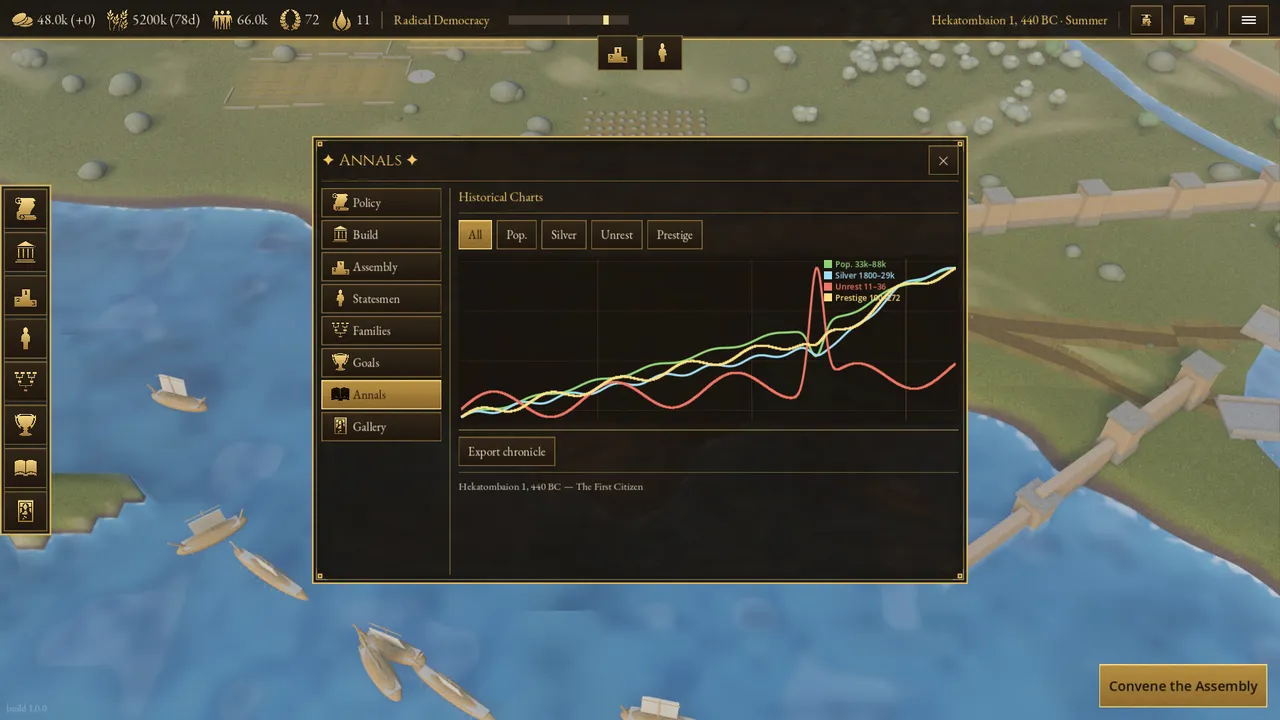
ΠΟΛΙΣ — Athens rejects the typical strategy sandbox in favor of a fixed, inevitable historical current. The release date for ΠΟΛΙΣ — Athens is July 9, 2026, on PC, marking a rare commitment to a specific chronological arc that spans from 594 to 322 BC. Unlike traditional empire-builders where you might conquer the world as a minor power, developer Ginkgo forces you to navigate the real-world rise and eventual sunset of Athenian democracy. The game is less about painting a map and more about surviving the friction of internal politics and external threats that are hard-coded into the timeline.
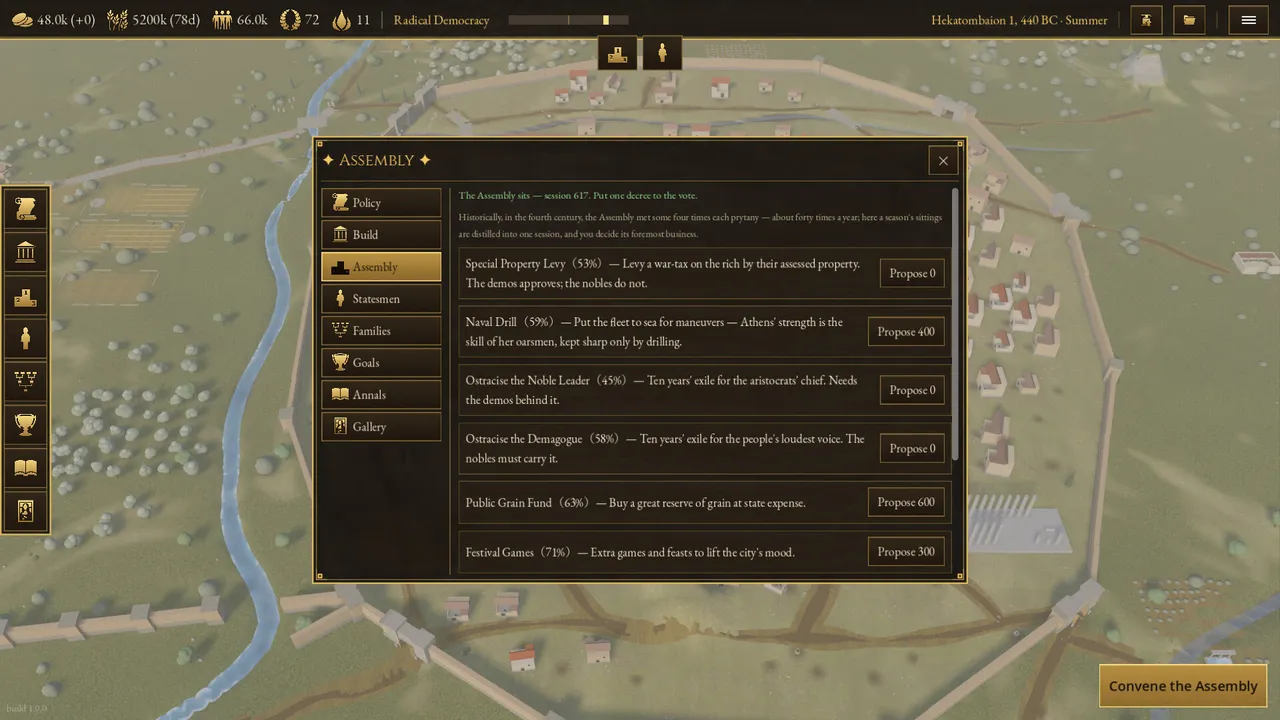
The central gameplay loop revolves around tension management between aristocratic family factions, religious favor, and the city's shifting alliances. While you cannot prevent the eventual end of the democracy in 322 BC, the 332 scripted historical events allow for significant internal variation. You are making high-stakes gambles on counterfactual outcomes—such as potentially avoiding the disastrous Sicilian Expedition—but these choices come with heavy costs. The risk here is clear: by tethering the win state to a fixed historical terminus, the game must ensure its internal factional maneuvering is deep enough to make the journey feel reactive despite the destination being set in stone.
The Timeline and Factional Strategy in ΠΟΛΙΣ — Athens
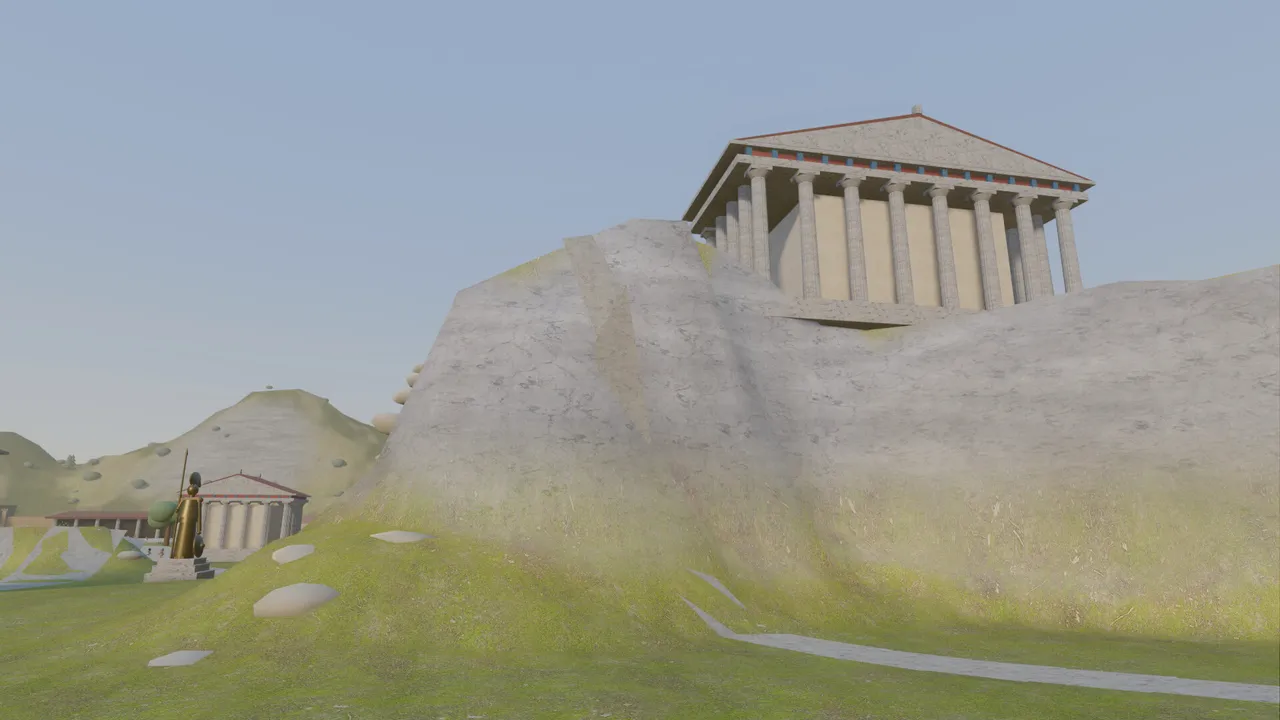
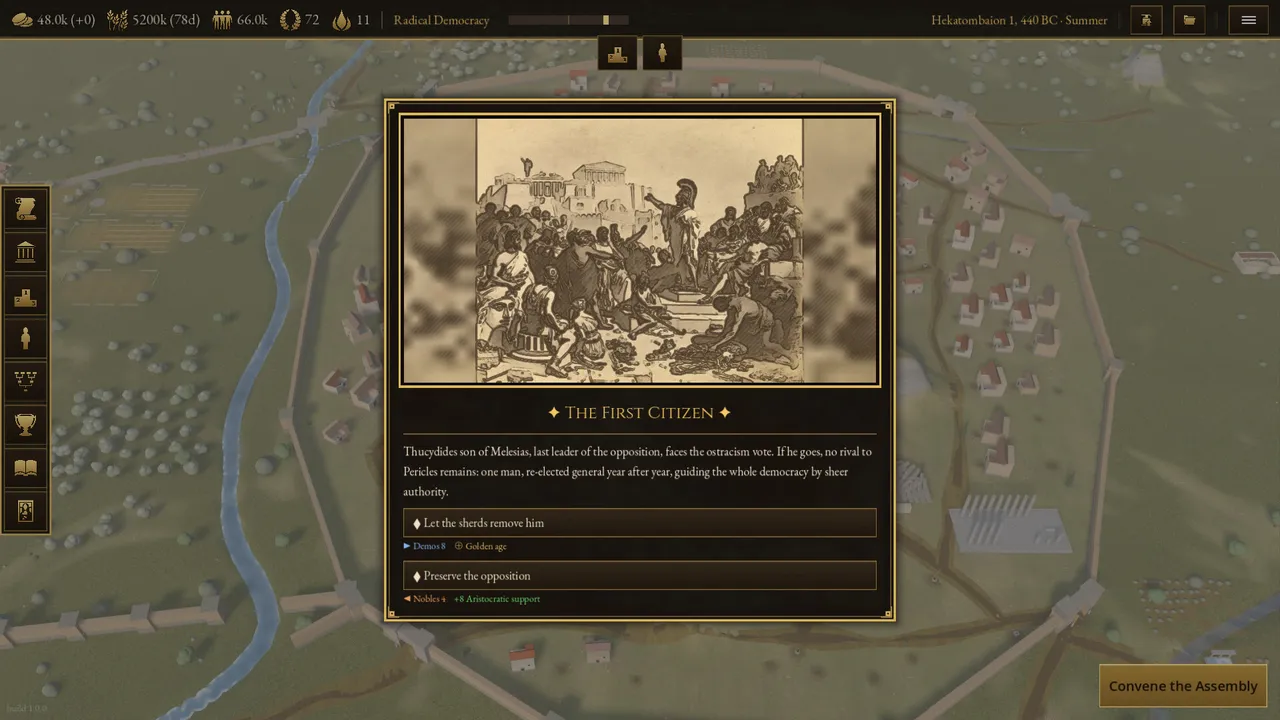
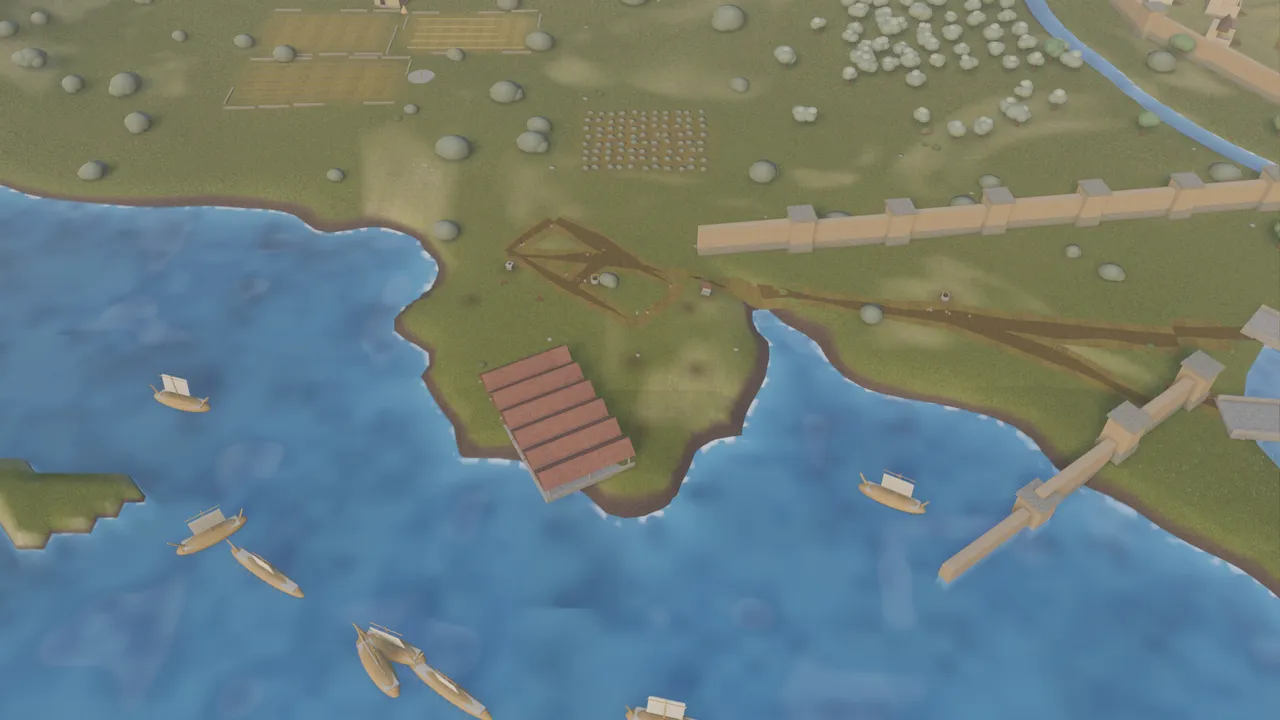
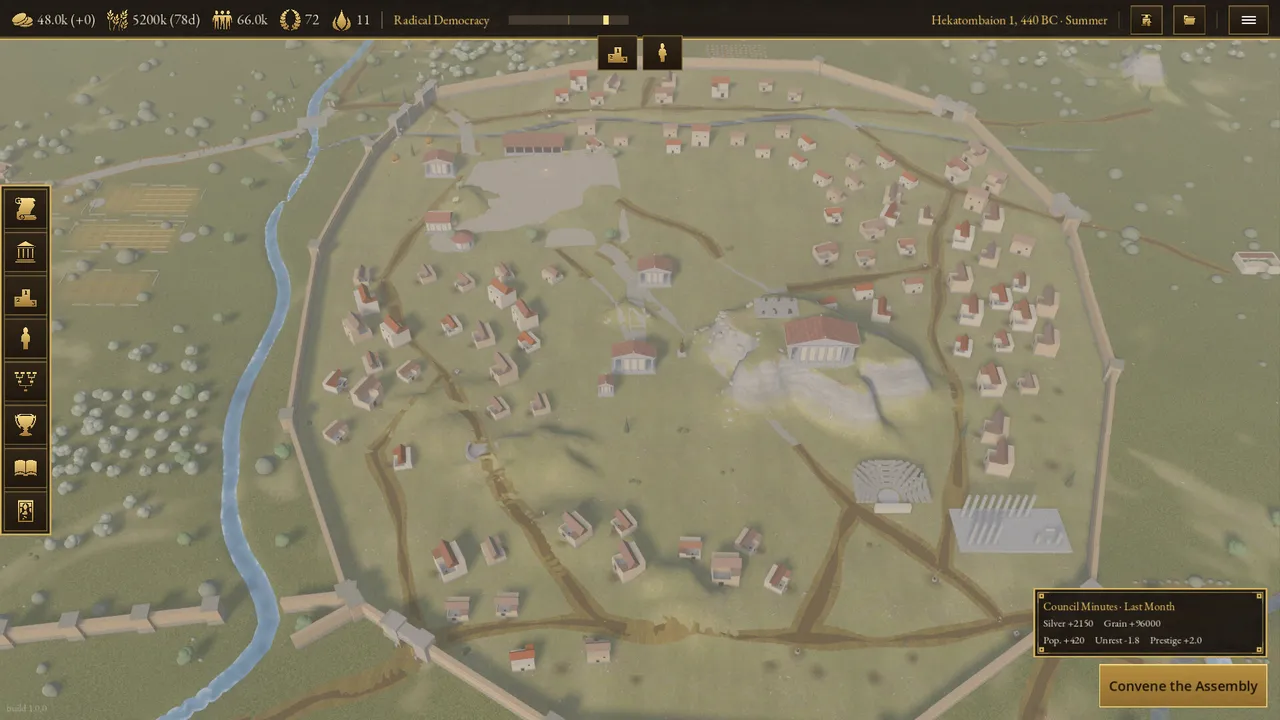
The ΠΟΛΙΣ — Athens release date introduces a mechanical focus on the human element of Greek history, tasking players with managing individual statesmen who carry their own ambitions and risks of ostracism. Visually, the game blends a 3D archaeological reconstruction of the city with over a hundred public-domain classical paintings, creating a distinct aesthetic that feels more like a digital museum piece than a standard simulation. For those seeking a rigorous challenge, the Ironman mode enforces a single, overwriting save file, preventing the safety of reloading when a political rival or a Spartan hoplite line breaks your momentum.
This is a specialized title for players who value historical authenticity over the total freedom of a 4X game. It is for those who want to see if they can navigate the Peloponnesian War better than Pericles did, even if the shadow of Macedonia remains unavoidable. If you prefer open-ended conquest, this focused narrative arc might feel restrictive, but for students of history, it offers a granular look at the era's specific political pressures. Wishlist this if you enjoy the methodical pacing of grand strategy but want a tighter, more intimate focus on a single city's soul.
Features
System requirements
Minimum
- OS
- Windows 10 64-bit or later
- Processor
- Dual-core 2.0 GHz (Intel Core i3 / AMD equivalent or better)
- Memory
- 4096 MB RAM
- Graphics
- Vulkan 1.0–capable GPU with 1GB VRAM (e.g. NVIDIA GTX 660 / AMD Radeon HD 7850 / Intel UHD 620 or newer integrated graphics)
- Storage
- 1024 MB available space
- Sound Card
- DirectX-compatible sound card
Recommended
- OS
- Windows 10/11 64-bit
- Processor
- Quad-core 2.5 GHz+ (Intel Core i5 / AMD Ryzen 5 or better)
- Memory
- 8192 MB RAM
- Graphics
- NVIDIA GTX 1050 / AMD RX 560 / Intel Iris Xe or better, 2GB+ VRAM
- Storage
- 2048 MB available space
- Sound Card
- DirectX-compatible sound card
Frequently asked questions
When did ΠΟΛΙΣ — Athens come out?
ΠΟΛΙΣ — Athens released on July 9, 2026 for PC.
Is ΠΟΛΙΣ — Athens out yet?
Yes. ΠΟΛΙΣ — Athens is available now, having released on July 9, 2026.
What platforms is ΠΟΛΙΣ — Athens on?
ΠΟΛΙΣ — Athens is available on PC.






No comments yet. Be the first to share your thoughts.