

The Final Ascent
The Final Ascent is out now on PC, released on July 17, 2026.
About The Final Ascent
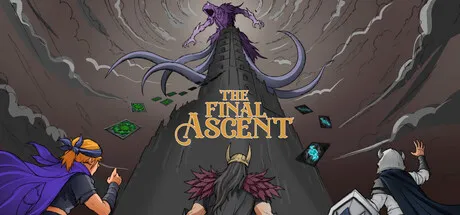
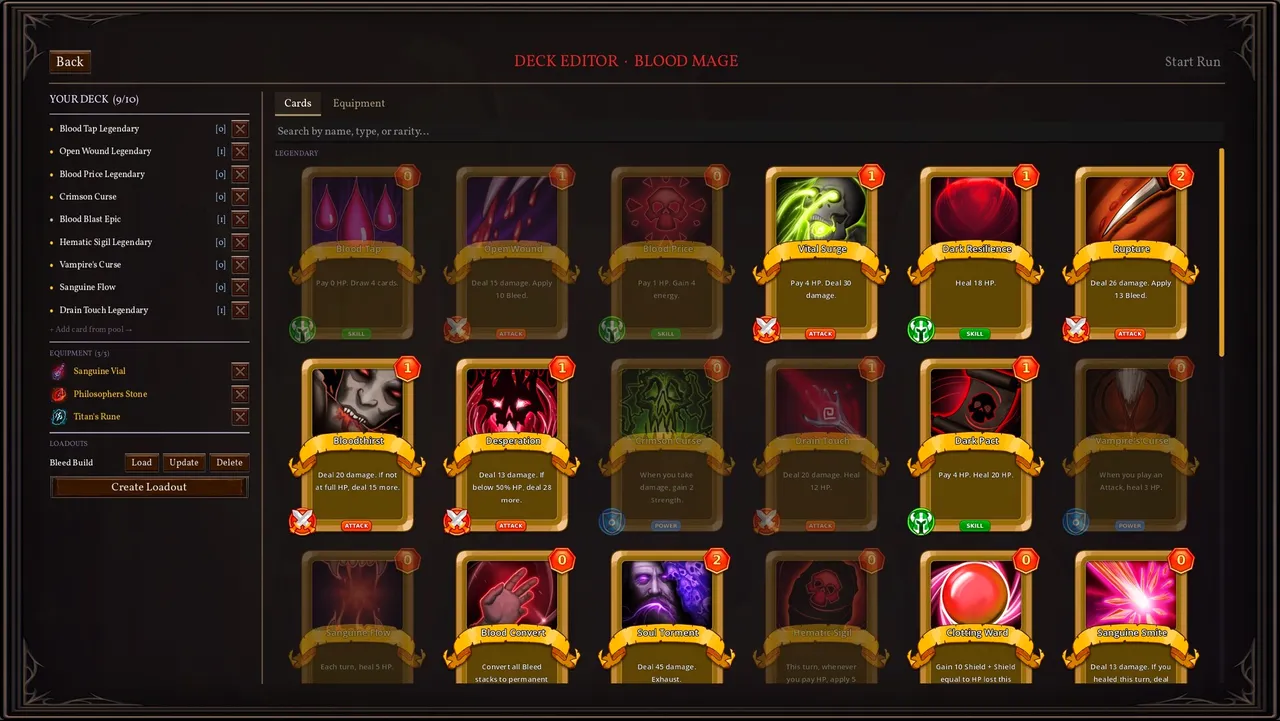
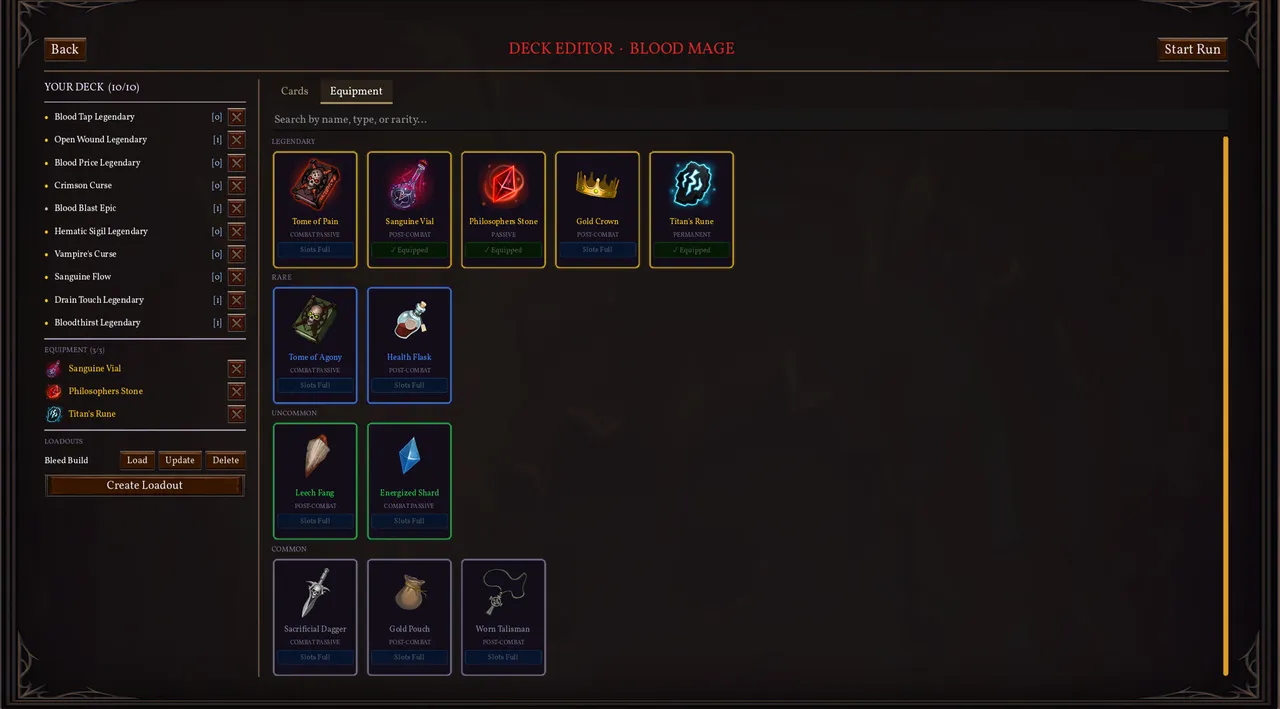
The Final Ascent moves the critical decision-making of the roguelike deckbuilder from the middle of a run to the very start. Unlike the standard genre loop where you begin with a weak, fixed deck and hunt for synergy, Larz Studios allows you to select ten starting cards and specific equipment before the climb even begins. This shift focuses the experience on theory-crafting and pre-set builds rather than pure adaptation to a random seed. The release date for The Final Ascent is July 17, 2026, and it is currently slated for a PC launch.
The Final Ascent Release Date and Meta-Progression
The game arrives on July 17, 2026, bringing a persistent collection system that feels closer to a traditional TCG than a standard roguelike. As you survive encounters, you permanently unlock cards and gear for your collection, which are then available to slot into your starting loadout for future attempts. This creates a loop where the ceiling for power rises alongside the difficulty of the tower. Instead of losing everything on death, you are essentially farming for a more refined engine to tackle higher-tier threats.
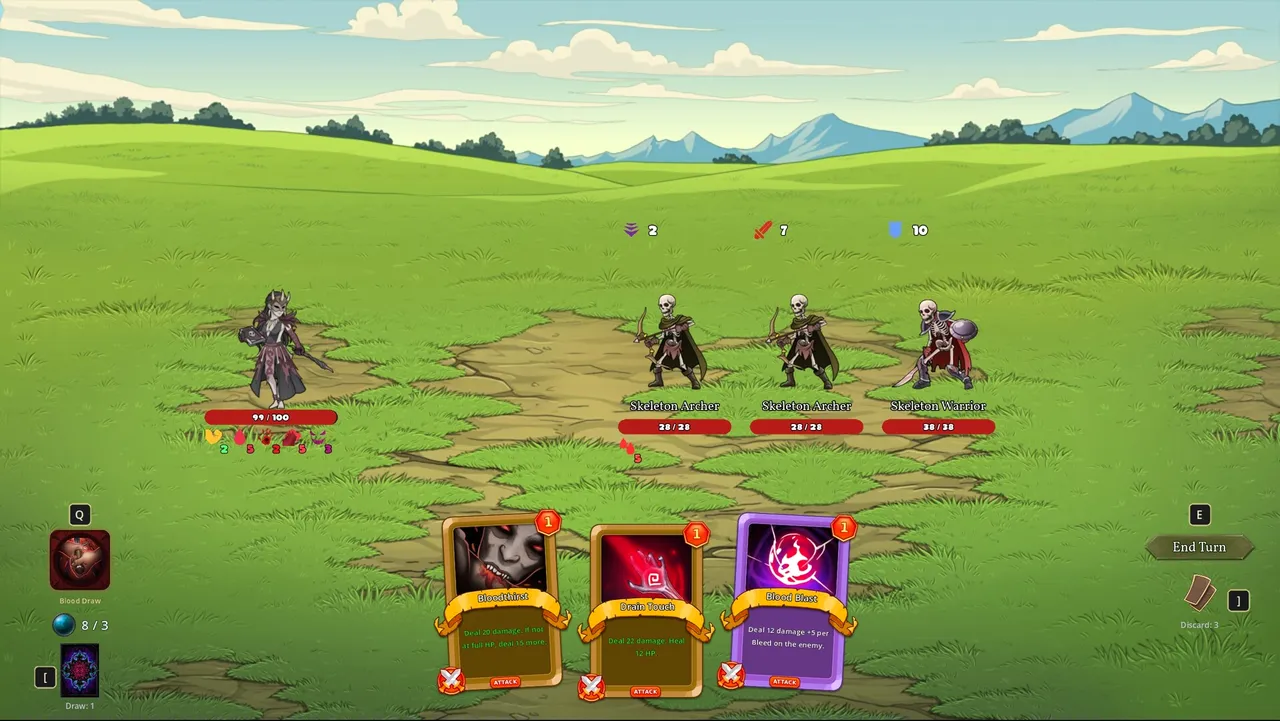
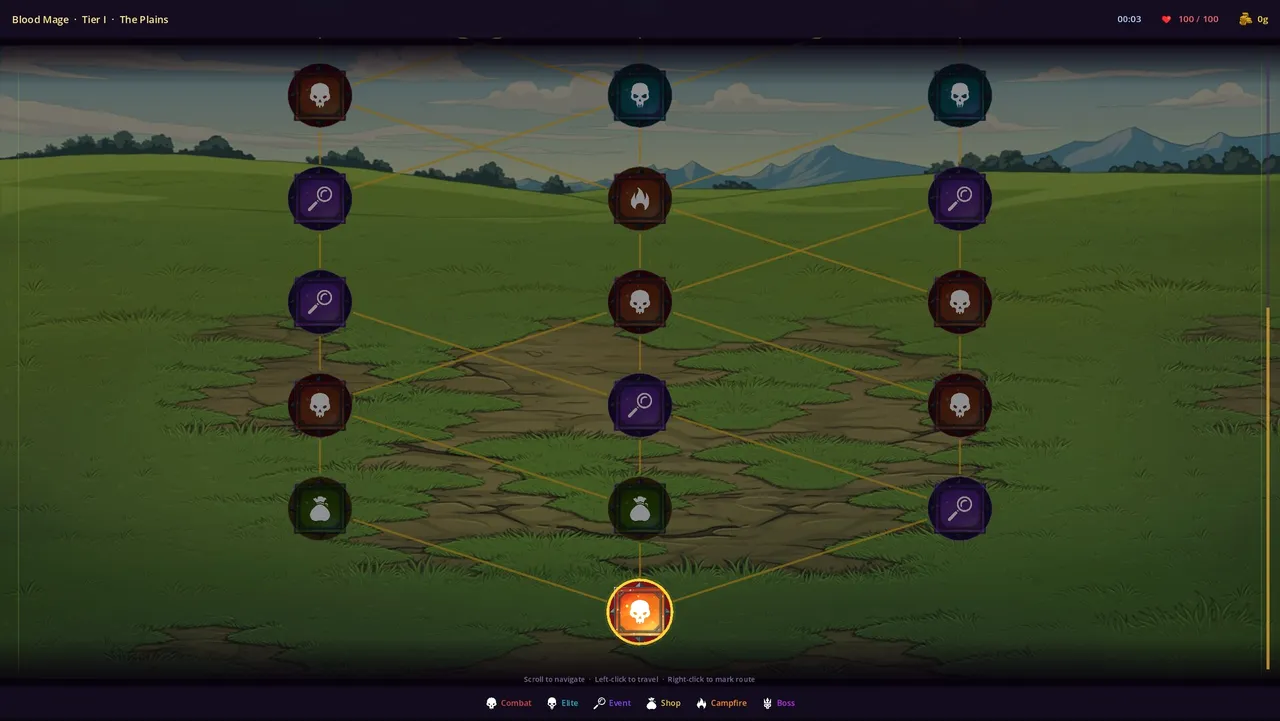
Combat is split across four distinct archetypes: the health-sacrificing Blood Mage, the defensive Guardian, the high-damage Berserker, and the card-cycling Trickster. The difficulty curve is driven by rule-changing Affixes that modify enemy behavior or environmental conditions as you ascend. This ensures that even a perfectly tuned starting deck faces friction, forcing you to use the branching map to find shops or campfires that can sustain your specific strategy. Whether Larz Studios can balance the pre-run power with enough unpredictable late-game variety to keep the hundred-card collection feeling fresh is the primary hurdle the game faces.
Strategy enthusiasts who prefer long-term planning and theory-crafting over the chaotic randomness of a standard draft will find the most value here. If you enjoy the sensation of perfecting a specific combo and testing it against increasingly hostile modifiers, this is one to watch. You should wishlist this now if you find the early-game 'starter deck' phase of most deckbuilders a chore and want to jump straight into a specialized build.
Features
System requirements
Minimum
- OS
- Windows 10 (64-bit)
- Processor
- Dual-core 2.0 GHz (Intel Core i3 / AMD equivalent)
- Memory
- 4 GB RAM
- Graphics
- Any Vulkan-capable GPU — Intel HD 500-series (Skylake, 2015+), NVIDIA GeForce 600-series (2012+), or AMD Radeon HD 7000-series (2012+)
- Network
- Broadband Internet connection
- Storage
- 1 GB available space
Recommended
- OS
- Windows 10/11 (64-bit)
- Processor
- Quad-core 2.5 GHz
- Memory
- 8 GB RAM
- Graphics
- Any Vulkan-capable GPU — Intel HD 500-series (Skylake, 2015+), NVIDIA GeForce 600-series (2012+), or AMD Radeon HD 7000-series (2012+)
- Network
- Broadband Internet connection
- Storage
- 1 GB available space
Frequently asked questions
When did The Final Ascent come out?
The Final Ascent released on July 17, 2026 for PC.
Is The Final Ascent out yet?
Yes. The Final Ascent is available now, having released on July 17, 2026.
What platforms is The Final Ascent on?
The Final Ascent is available on PC.






No comments yet. Be the first to share your thoughts.