
Armeda VR
Armeda VR is out now on PC, released on July 17, 2026.
About Armeda VR
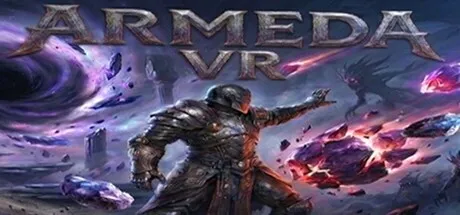
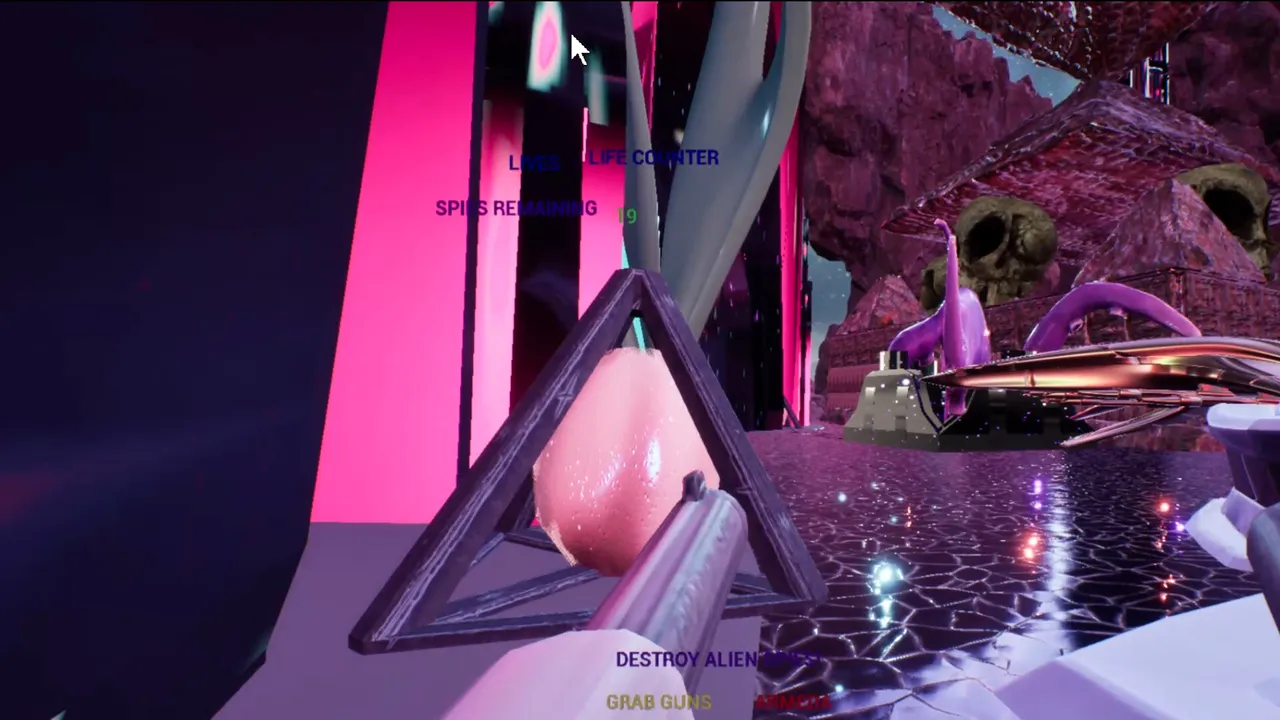
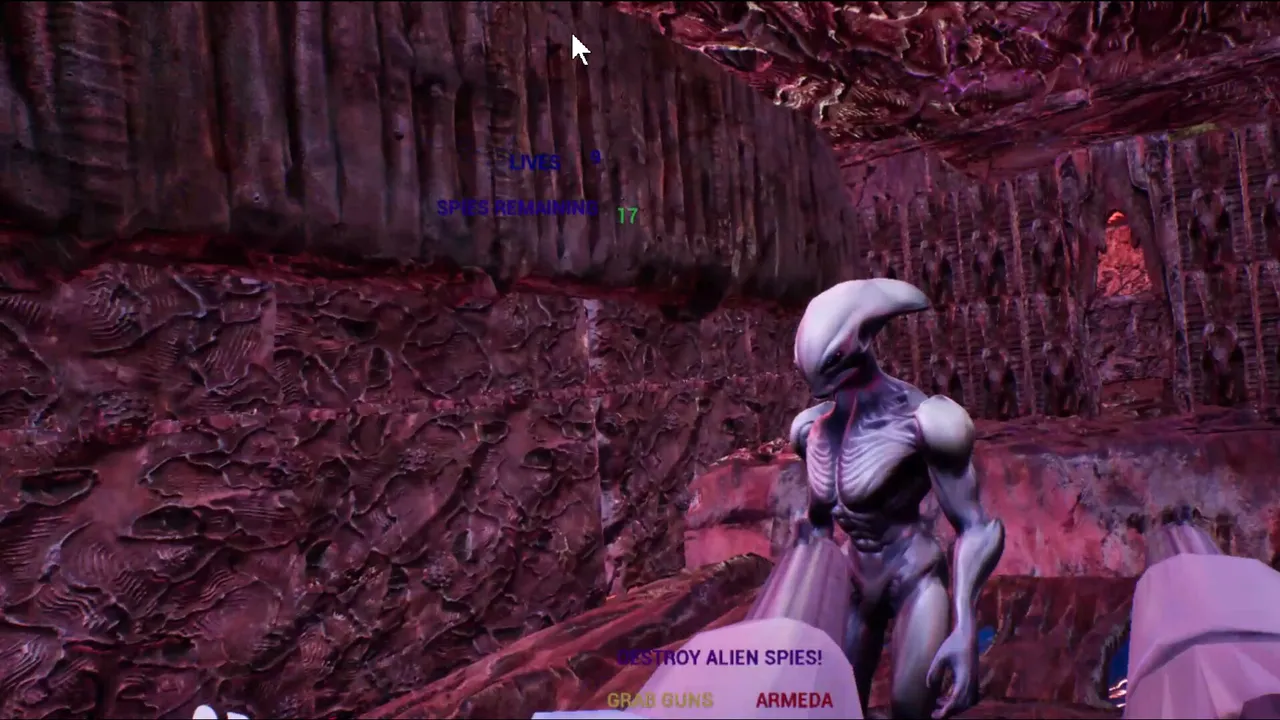
Armeda VR aims to be a high-fidelity showcase for the capabilities of Unreal Engine 5 in virtual reality, focusing on the technical interplay between lighting, physics, and rapid environmental transitions. Developed by Robert Craig Barnhart and published by Nexus Aurora Technologies, the game prioritizes a "multidimensional" experience where players warp between distinct alien biomes instantly. The Armeda VR release date is July 17, 2026, and it is currently slated exclusively for PC with full VR compatibility.
The central loop revolves around high-speed combat within the Aeternia Matrix, a setting that leans heavily into abstract concepts like sacred geometry and 12D physics. Rather than a standard military shooter, the game positions the player as a cosmic Architect, using weapons and spatial manipulation to stabilize a fractured universe. This focus on "Cosmic Stability" suggests a system where understanding the geometry of the level is as vital as trigger discipline. The use of frequency-tuned audio indicates a design intended to maximize spatial awareness, a necessary feature if the game intends to maintain its promised brutal pace without disorienting the player in a 360-degree environment.
The July 17, 2026 Release Date and Technical Ambition
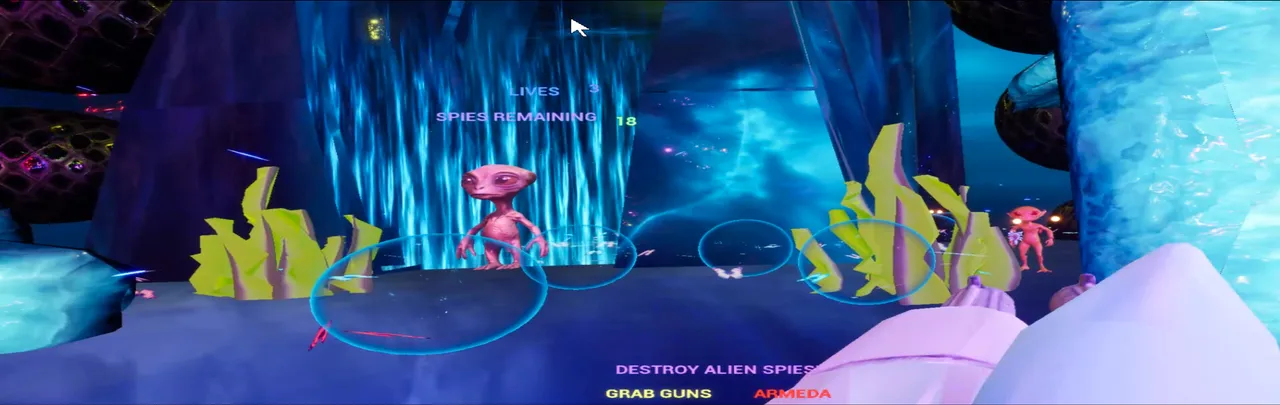
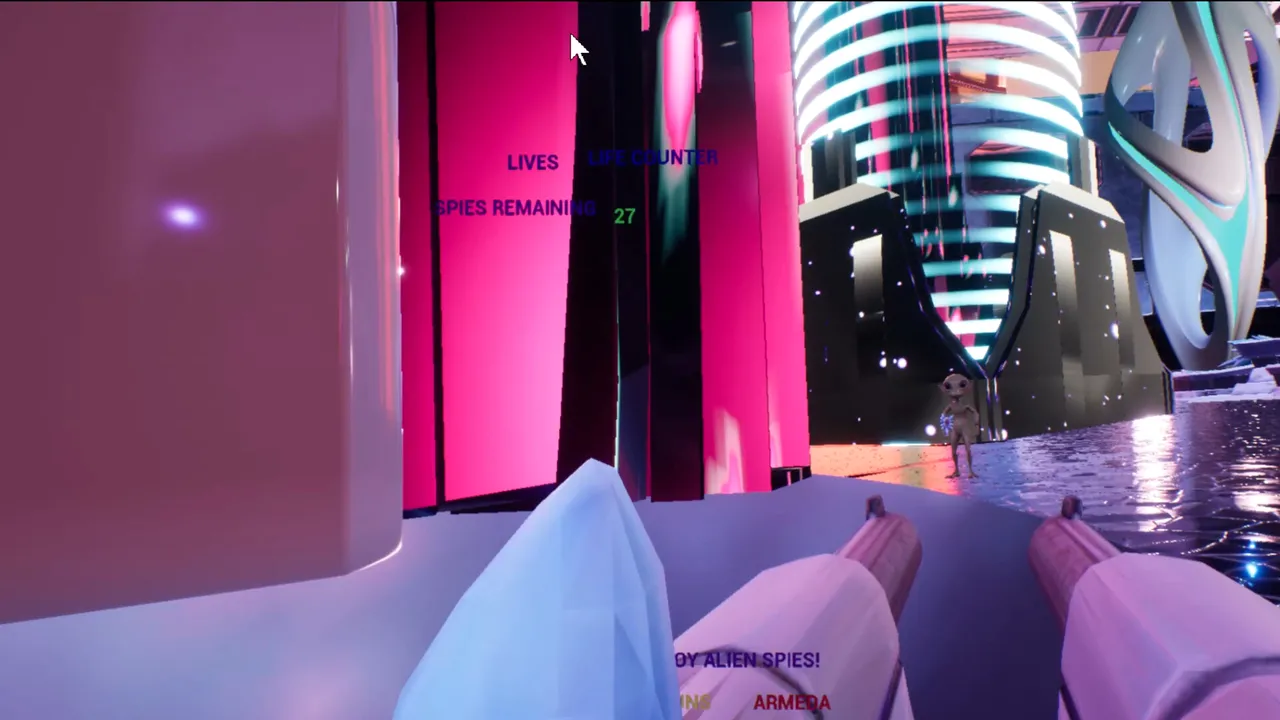
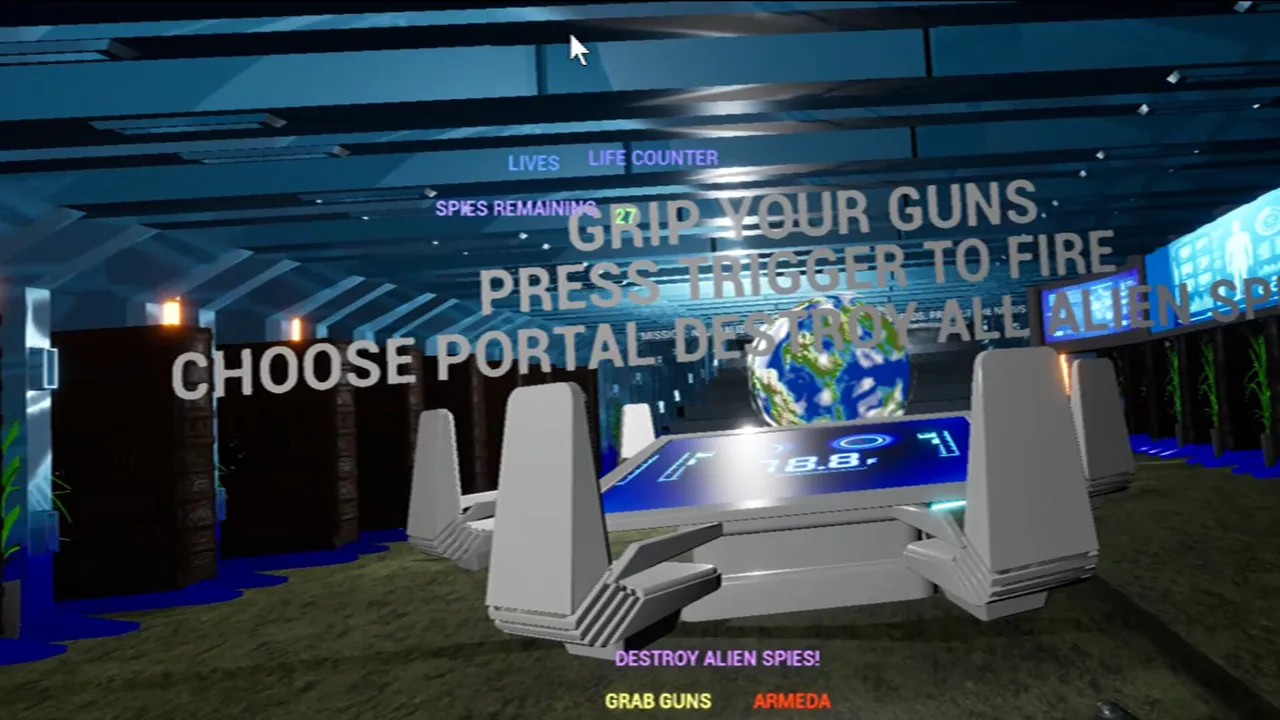
The technical risk for Robert Craig Barnhart lies in the zero-lag portal system. Seamlessly jumping between hyper-detailed biomes—ranging from bioluminescent forests to sterile hub stations—requires massive hardware overhead, especially when rendered for VR headsets. By building natively in Unreal Engine 5, the developer is betting that current and near-future PC hardware can handle the intense physics calculations and lighting demands required to make these transitions feel fluid rather than jarring. Whether a solo-developed project can maintain this level of visual density across its entire duration without performance hitches is the pivotal test the game faces.
For VR enthusiasts who value technical benchmarks and abstract sci-fi settings, this is a title to watch. It moves away from the tactile, slow-paced interactions of many VR adventures in favor of something more kinetic and mathematically themed. If you are looking for a game that pushes your high-fidelity headset to its limits through complex geometry and instant environmental shifts, add this to your wishlist for the 2026 launch.
Features
System requirements
Minimum
- OS
- Windows 10
- Processor
- AMD Ryzen Z1 Extreme
- Memory
- 16 GB RAM
- Graphics
- AMD Radeon Graphics RDNA 3
- DirectX
- Version 11
- Network
- Broadband Internet connection
- Storage
- 10 GB available space
- Sound Card
- Realtek ALC3287
- VR Support
- Meta Quest 3, HTC Vive
- Additional Notes
- n/a
Recommended
- OS
- Windows 10/11
- Processor
- AMD Ryzen 7
- Memory
- 32 GB RAM
- Graphics
- NVIDIA GeForce RTX 4060 Laptop GPU
- DirectX
- Version 12
- Network
- Broadband Internet connection
- Storage
- 10 GB available space
- Sound Card
- Realtek ALC256
- VR Support
- Meta Quest 3, HTC Vive
- Additional Notes
- n/a
Frequently asked questions
When did Armeda VR come out?
Armeda VR released on July 17, 2026 for PC.
Is Armeda VR out yet?
Yes. Armeda VR is available now, having released on July 17, 2026.
What platforms is Armeda VR on?
Armeda VR is available on PC.





No comments yet. Be the first to share your thoughts.