
DeskLayer
DeskLayer is out now on PC, released on July 17, 2026.
About DeskLayer
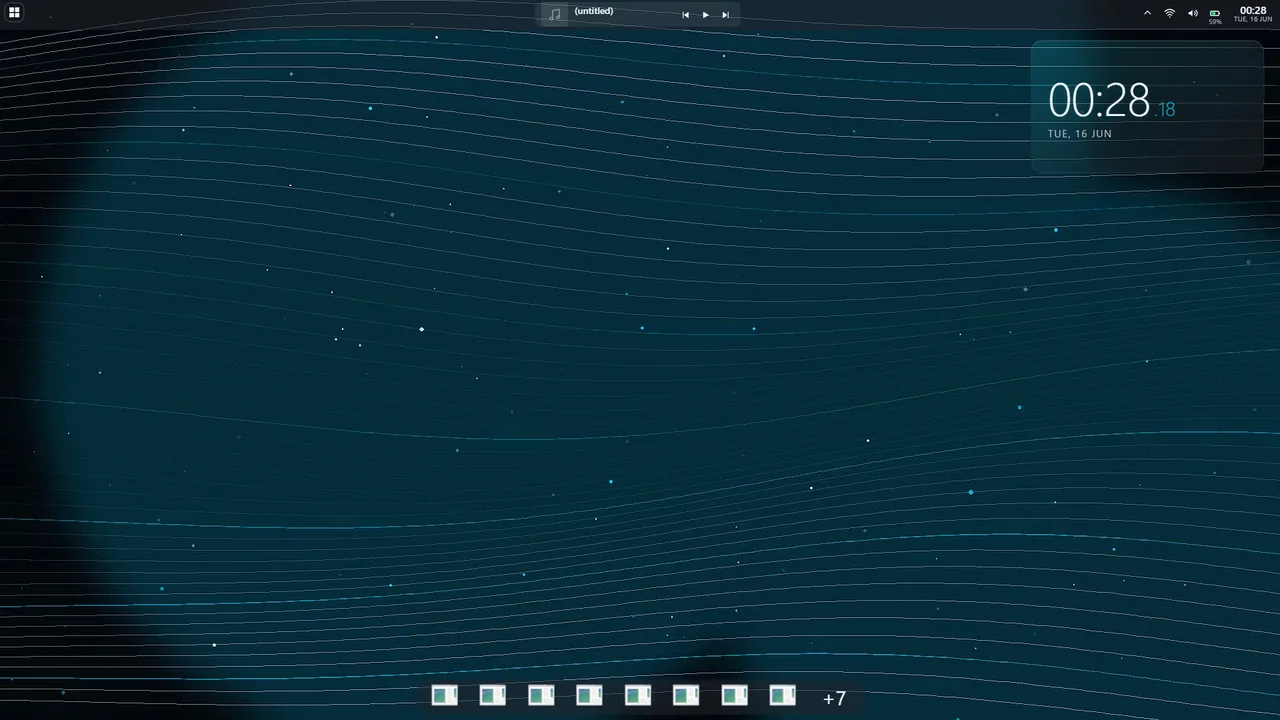
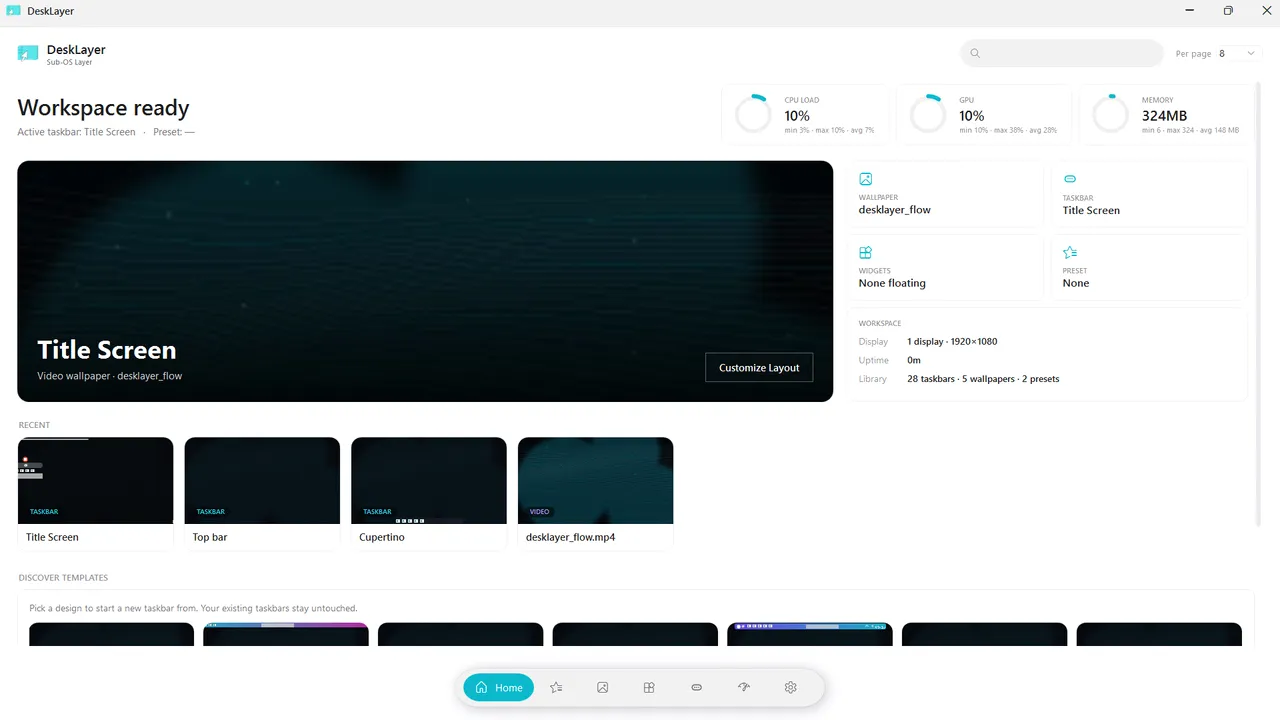
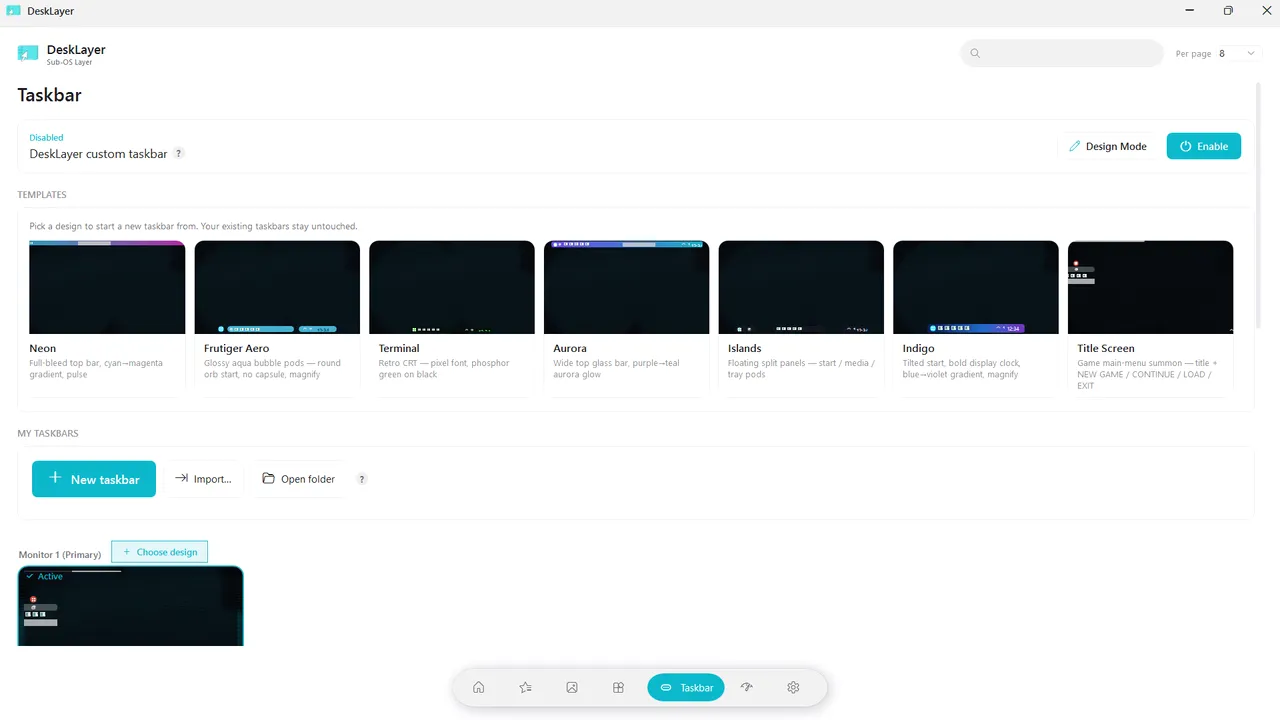
DeskLayer aims to move beyond simple aesthetic skins by offering a structural overhaul of the Windows user interface. Developed and published by Buraito-stack, the software treats the desktop environment as a modular canvas rather than a fixed operating system shell. Instead of merely layering icons over a background, it replaces the native taskbar with a bespoke floating dock and introduces an editor that allows for the granular design of every tray element, from volume sliders to individual app notification states. The DeskLayer release date is July 17, 2026, when it will launch exclusively for PC.
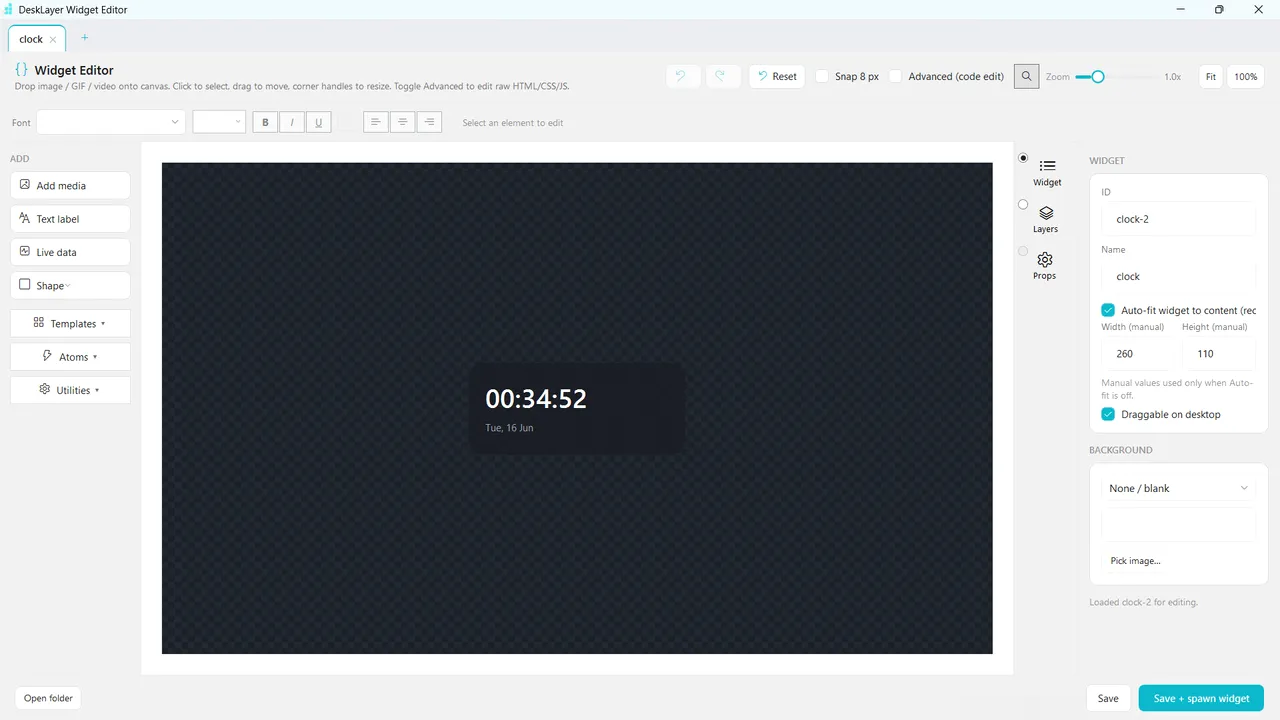
The core of the experience is built on a drag-and-drop design engine that focuses on functional customization. Unlike many desktop enhancement tools that rely on pre-made themes, this utility provides the raw tools to construct widgets and launchers from scratch. You can nest elements, set custom hover-preview behaviors, and even define how specific app tiles respond when active or idle. For those who find the standard Windows 11 taskbar restrictive, the ability to ungroup icons, reshape the bar into a pill or panel, and route widgets across multiple monitors offers a level of control usually reserved for Linux-based desktop environments.
Customization Features and July 17, 2026 Release Date
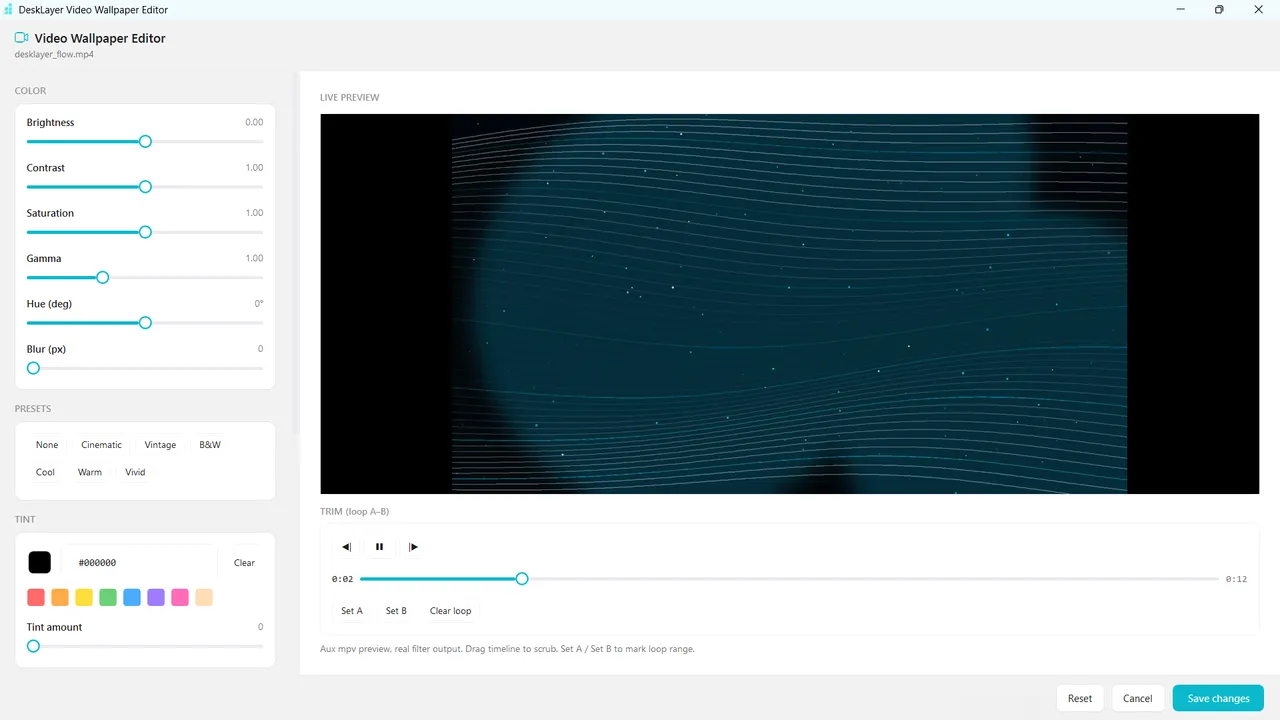
Beyond the interface architecture, the application integrates a live wallpaper engine designed with a focus on resource efficiency. It supports video, GIF, and interactive HTML backgrounds, utilizing hardware-decoded proxies to minimize GPU impact. A significant design choice here is the adaptive playback system; the software is built to automatically pause all animations when a fullscreen application or game is active, which should alleviate the common concern that animated desktops trade gaming performance for visuals. The built-in color-grading tools also mean you can adjust saturation, tint, and blur on the fly without needing external image editors.
The biggest test for a tool this ambitious is the friction between its custom dock and the native Windows API. While it promises full support for jump lists and window previews, replacing a core OS component often invites stability quirks. For users who find the current Windows layout cluttered or uninspired, DeskLayer represents a high-agency alternative that values pixel-perfect placement over system defaults. It is a tool for the power user who views their desktop as a workspace to be engineered rather than a static landing page.
Features
System requirements
Minimum
- OS
- Windows 10 64-bit, version 2004 (build 19041) or newer
- Processor
- Dual-core 2.0 GHz
- Memory
- 8 GB RAM
- Graphics
- DirectX 11 capable GPU (integrated graphics OK)
- DirectX
- Version 11
- Storage
- 400 MB available space
- Additional Notes
- Requires the Microsoft Edge WebView2 Runtime (preinstalled on Windows 11; installed automatically on Windows 10).
Recommended
- OS
- Windows 11 64-bit
- Processor
- Quad-core 3.0 GHz
- Memory
- 16 GB RAM
- Graphics
- GPU with hardware H.264 decode (AMD, Intel or NVIDIA) for low-power video wallpaper
- DirectX
- Version 12
- Storage
- 600 MB available space
- Additional Notes
- A GPU with hardware video decode (AMF, Quick Sync or NVENC) gives the smoothest live wallpaper at near-zero GPU load.
Frequently asked questions
When did DeskLayer come out?
DeskLayer released on July 17, 2026 for PC.
Is DeskLayer out yet?
Yes. DeskLayer is available now, having released on July 17, 2026.
What platforms is DeskLayer on?
DeskLayer is available on PC.






No comments yet. Be the first to share your thoughts.