
Uptime: A Cloud Provider Sim
Uptime: A Cloud Provider Sim is out now on PC, released on July 17, 2026.
About Uptime: A Cloud Provider Sim
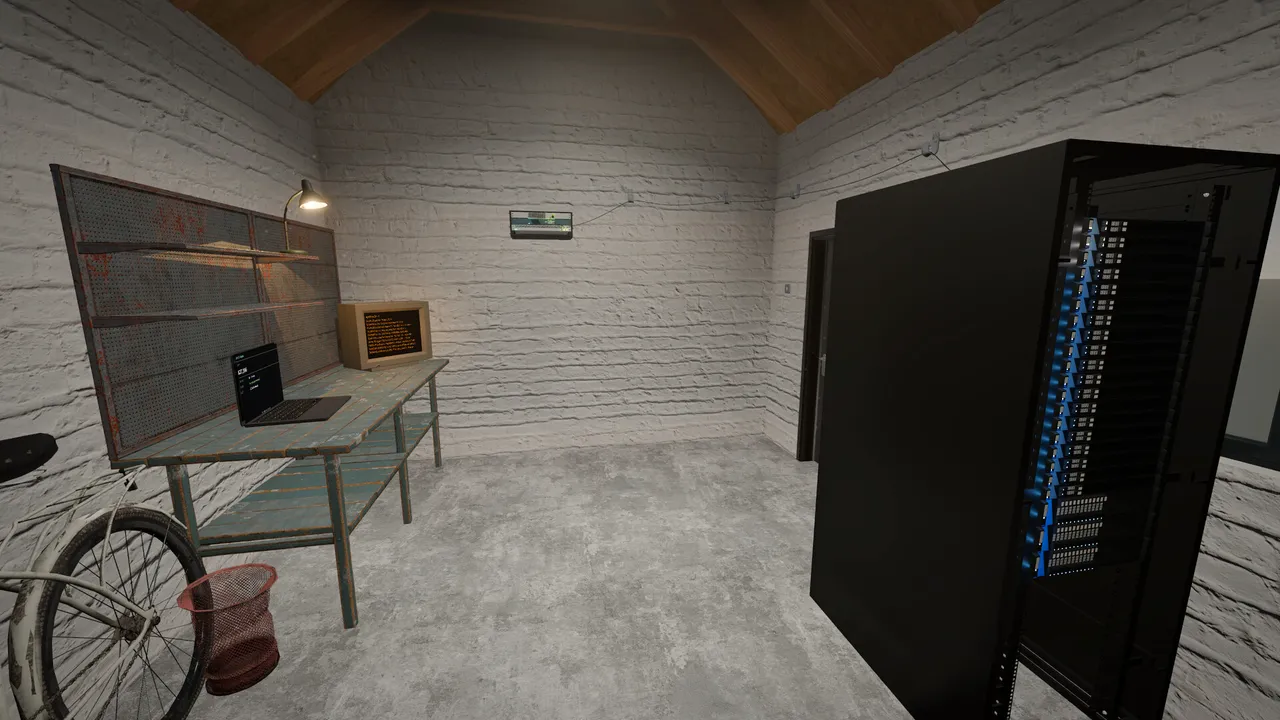
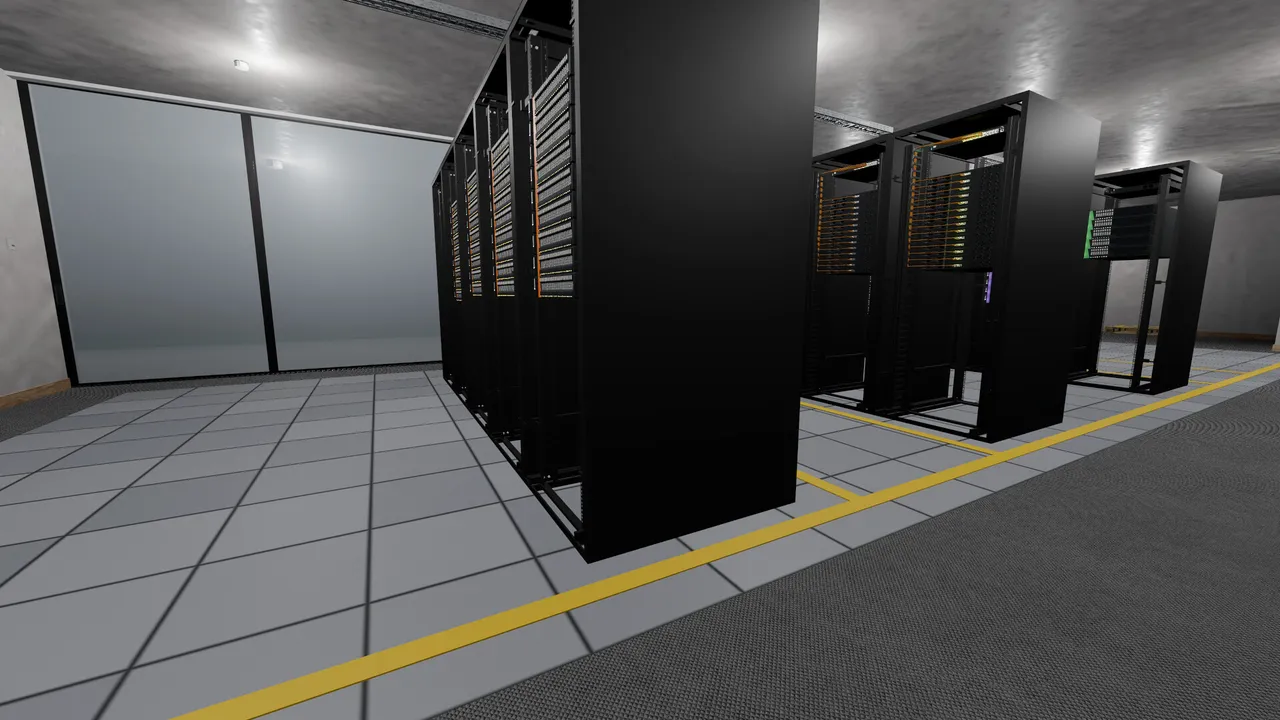
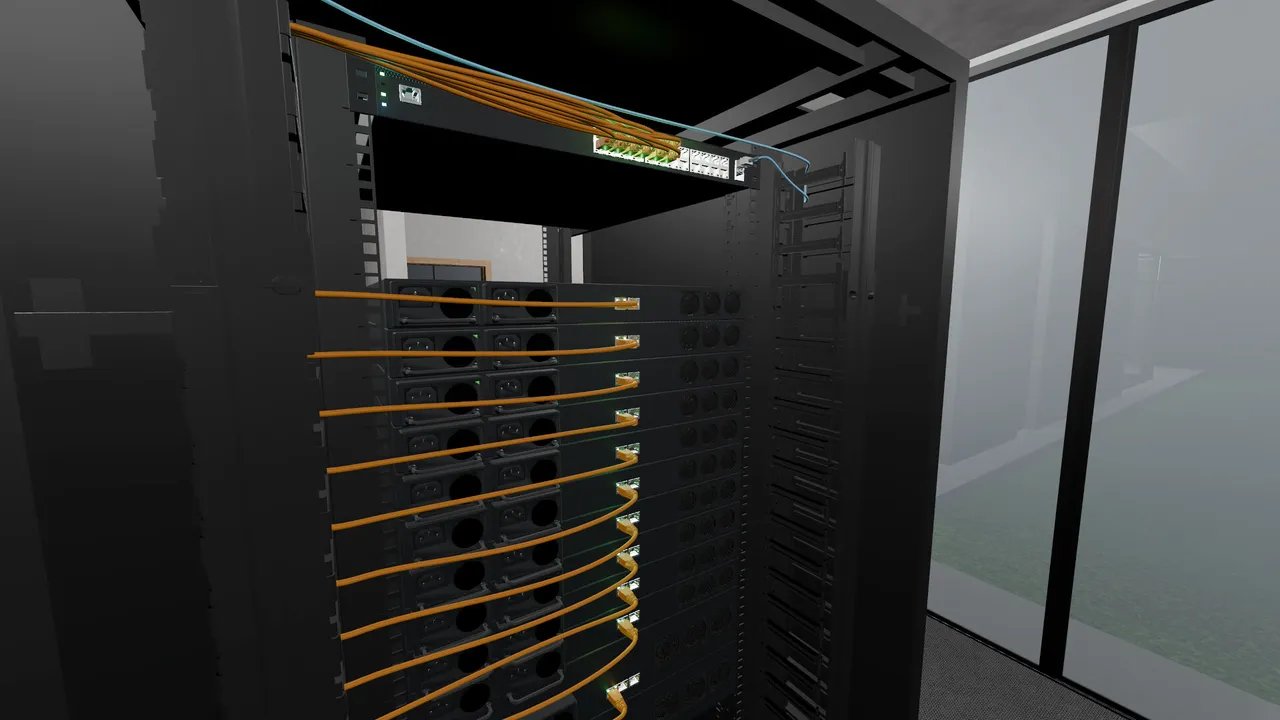
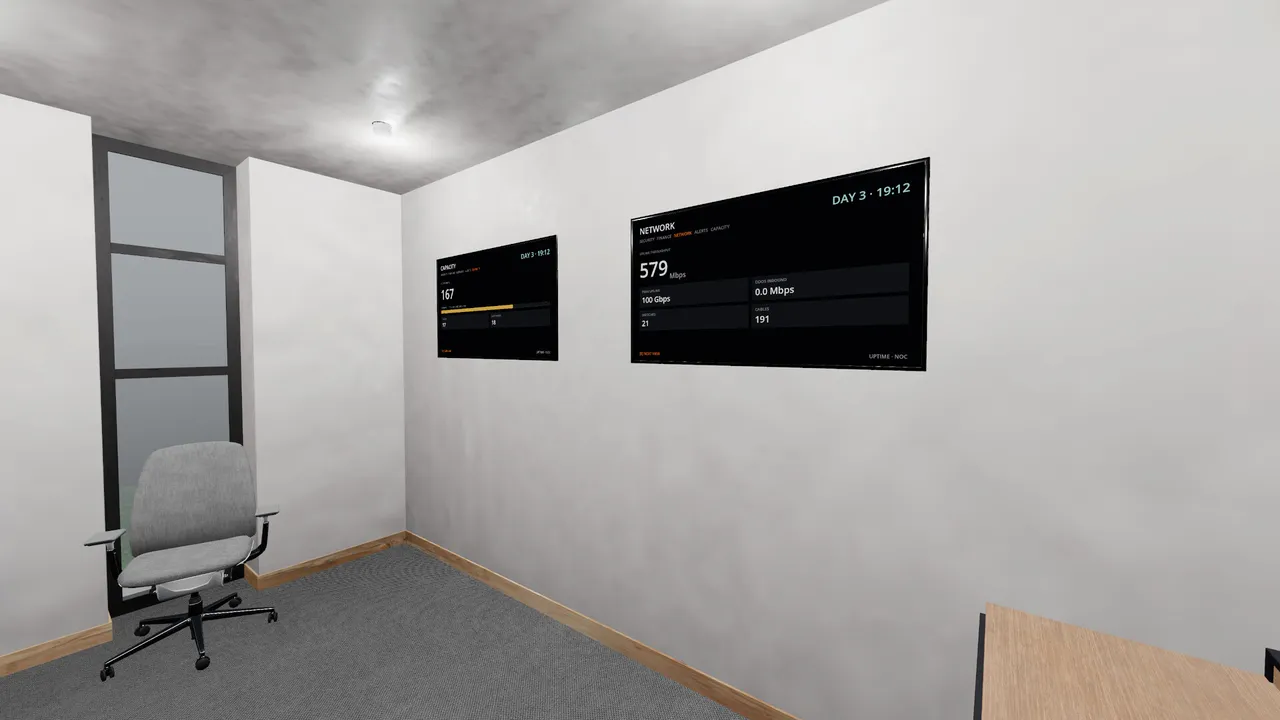
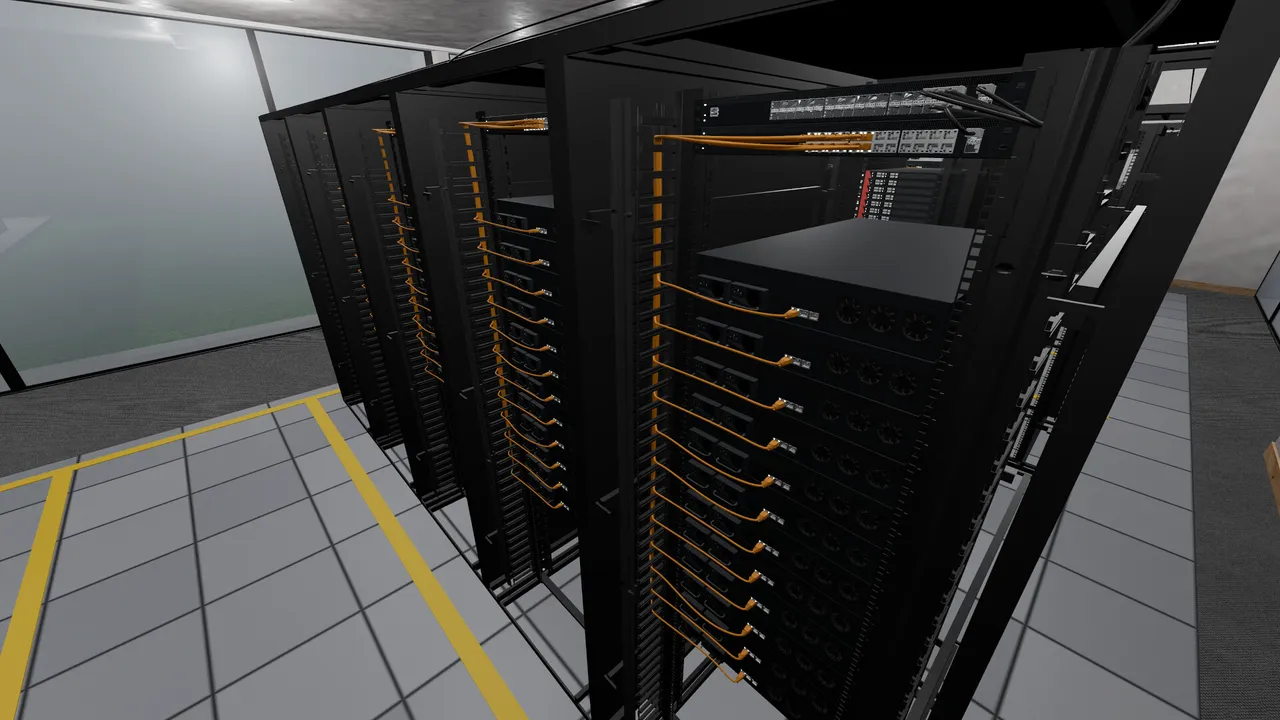
Uptime: A Cloud Provider Sim targets the specific intersection of tycoon management and granular first-person engineering, moving away from abstract spreadsheet management toward physical interaction. Instead of clicking a menu to expand capacity, you are tasked with unspooling cables, physically seating servers into racks, and managing the thermal and electrical realities of a growing data center. The release date for Uptime: A Cloud Provider Sim is July 17, 2026, and it is currently slated for a PC launch.
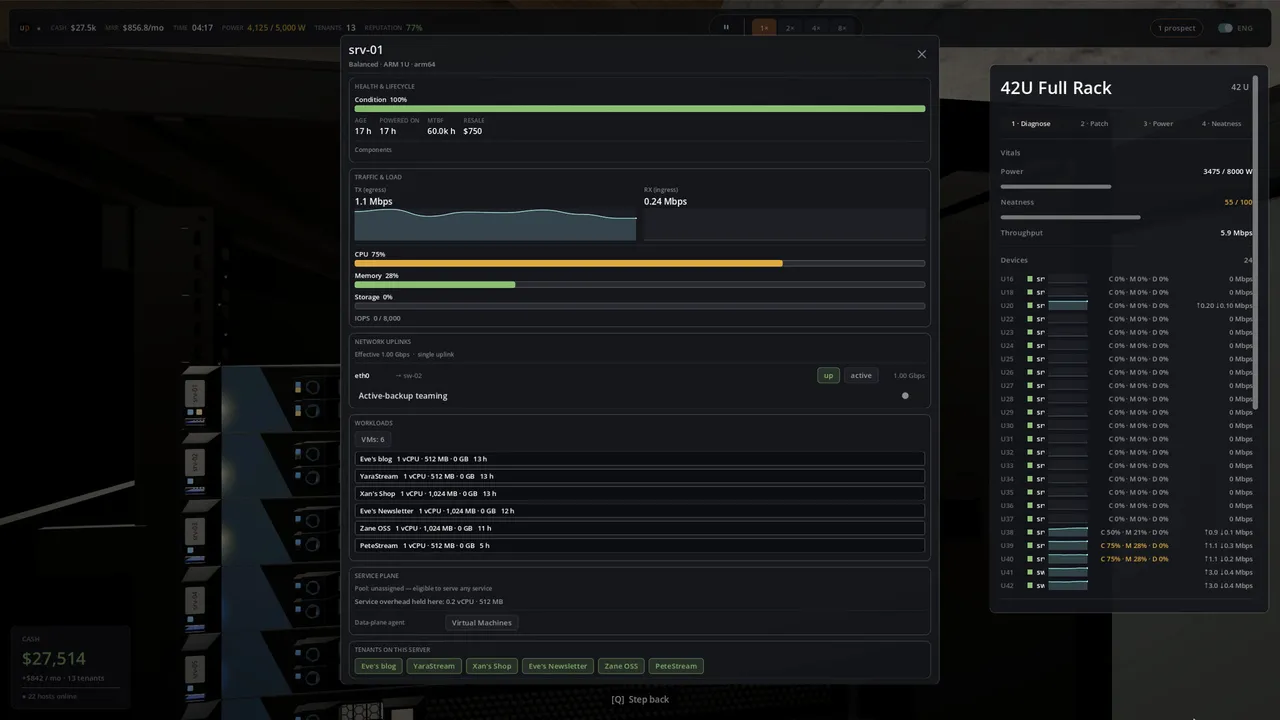
The central hook of the game is its commitment to deterministic simulation over visual metaphors. In many management titles, a network switch is a static object that generates a passive buff; here, the developer RubyRack Games claims that systems like BGP routing, RSTP, and power budgets are functional parts of the engine. This creates a high-stakes loop where your reputation as a provider is tied to actual hardware uptime. You aren't just selling 'space'; you are managing virtual machines, load balancers, and Kubernetes clusters that rely on the physical infrastructure you have personally wired and configured.
Uptime: A Cloud Provider Sim July 17, 2026 Release Date
Managing the human element of the cloud industry appears to be the primary balancing act. Customers in the simulation are treated as named tenants with specific service level agreements (SLAs) rather than simple income streams. Over-provisioning a host or mismanaging a surge in traffic can lead to immediate reputational damage, making the decision to turn away a lucrative contract a tactical necessity. This introduces a risk-management layer rarely seen in first-person sims: the tension between physical expansion and operational stability.
Whether RubyRack Games can make complex networking protocols approachable for non-engineers without stripping away the depth is the major challenge for this release. While the hands-on hardware manipulation provides a tactile satisfaction similar to PC building simulators, the underlying logic of traffic routing and fault domains is significantly more complex. For players who find beauty in a perfectly cable-managed rack and the stress of a 2:00 AM server failure, this should be a priority for the wishlist. Those seeking a more relaxed, hands-off tycoon experience may find the requirement to manually run every cable a bit too close to a day job.
Features
System requirements
Minimum
- OS
- Windows 10 64-bit (1909+)
- Processor
- Quad-core — Core i5-8400 / Ryzen 3 3100
- Memory
- 8 GB RAM
- Graphics
- 4 GB VRAM, Direct3D 12 / Vulkan 1.2 - NVIDIA GTX 1650 / AMD RX 570 / Intel Arc A380
- DirectX
- Version 12
- Storage
- 3 GB available space
- Additional Notes
- Requires a GPU with Direct3D 12 or Vulkan 1.2 support
Recommended
- OS
- Windows 11 64-bit
- Processor
- 6-core Intel Core i5 (10th gen+) or AMD Ryzen 5
- Memory
- 16 GB RAM
- Graphics
- 6-8 GB VRAM - NVIDIA RTX 2060 / RTX 3060 / AMD RX 6600
- DirectX
- Version 12
- Storage
- 5 GB available space
- Additional Notes
- Vulkan-capable GPU required. SSD recommended.
Frequently asked questions
When did Uptime: A Cloud Provider Sim come out?
Uptime: A Cloud Provider Sim released on July 17, 2026 for PC.
Is Uptime: A Cloud Provider Sim out yet?
Yes. Uptime: A Cloud Provider Sim is available now, having released on July 17, 2026.
What platforms is Uptime: A Cloud Provider Sim on?
Uptime: A Cloud Provider Sim is available on PC.






No comments yet. Be the first to share your thoughts.